











Spine Plus Blog
What's the Difference Between a Chiropractor and an Osteopath?
Published: 23 March 2023
By Robert Shanks, Director, Spine Plus Clinics (20+ years qualified)
People frequently ask about the differences between chiropractors and osteopaths. Getting an unbiased answer is difficult, since practitioners usually favour their own profession. Here's an honest breakdown.
Origins
Both professions emerged in 19th-century America. Osteopathy was established by Dr Andrew Taylor Still in 1872. Chiropractic was founded by Daniel David Palmer, one of Still's students, in 1895. Both set out to use manual therapy rather than medication to address musculoskeletal pain.
Training
Both require four years of full-time undergraduate study covering human anatomy, physiology, and biomechanics, with both practical and academic examinations. Practitioners must pass finals to register with their respective regulatory councils: the General Osteopathic Council (GOsC) for osteopaths, and the General Chiropractic Council (GCC) for chiropractors.
Training: UK vs Other Countries
Training and registration requirements are fairly consistent for chiropractic worldwide, but vary more for osteopathy. In the USA, osteopaths train alongside medical doctors as part of their programme. In parts of Europe, osteopathy is a postgraduate course open only to qualified physiotherapists. In the UK, osteopathic training follows a path closer to chiropractic training, with teaching schools independent of medical schools.
Philosophical Differences
Chiropractors focus primarily on spinal alignment, believing that misalignments (subluxations) cause health problems. They typically place significant emphasis on X-rays and MRI scans to identify these misalignments with precision.
Osteopaths take a broader view, seeing the body as an integrated system. Spinal joint dysfunction is acknowledged but considered in the context of the whole body, including soft tissue health, blood flow, and fascial function. Osteopaths are generally more cautious about X-ray exposure.
Treatment Approaches
Chiropractic treatments tend to concentrate on spinal adjustments and joint manipulation. There are many chiropractic techniques (Diversified, Gonstead, Activator), each with a slightly different approach to spinal manipulation.
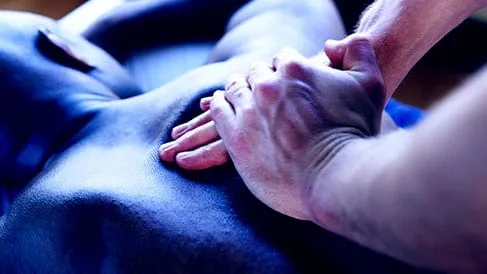
Osteopathic treatments combine joint manipulation with extensive soft tissue work, massage, stretching, and articulation. Osteopaths typically spend more time on each session as a result.
Practical Differences
Chiropractic appointments are usually shorter but more frequent. Osteopathic appointments are longer but typically spread out more. Pricing is broadly similar between the two professions.
Spine Plus Osteopaths
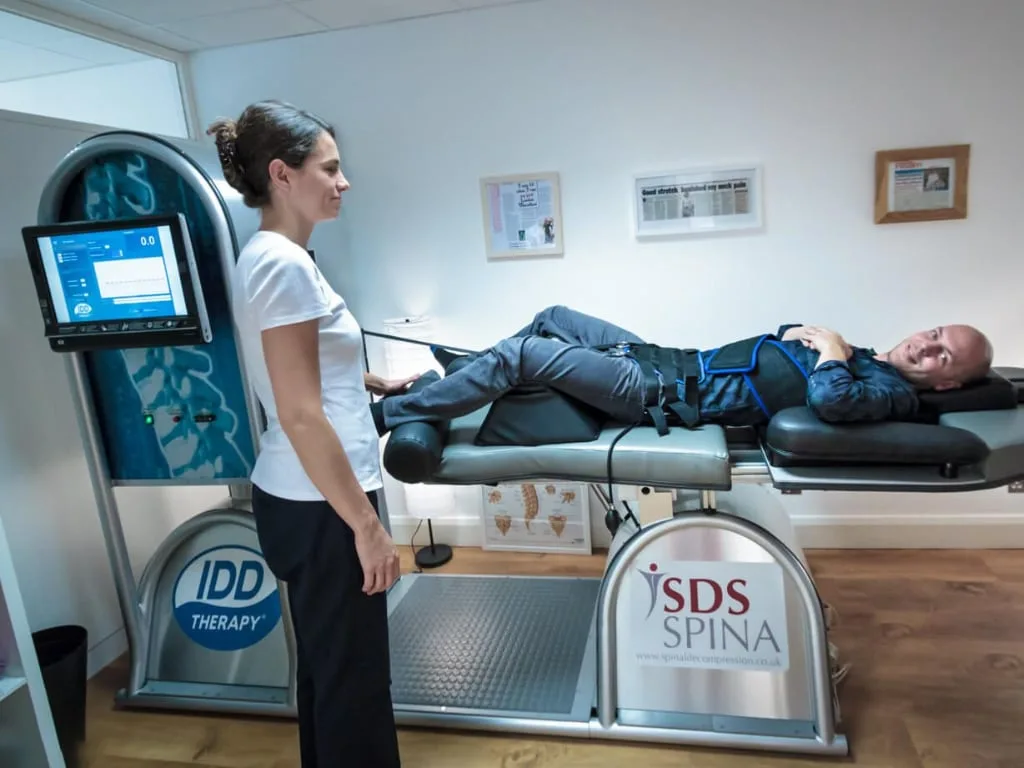
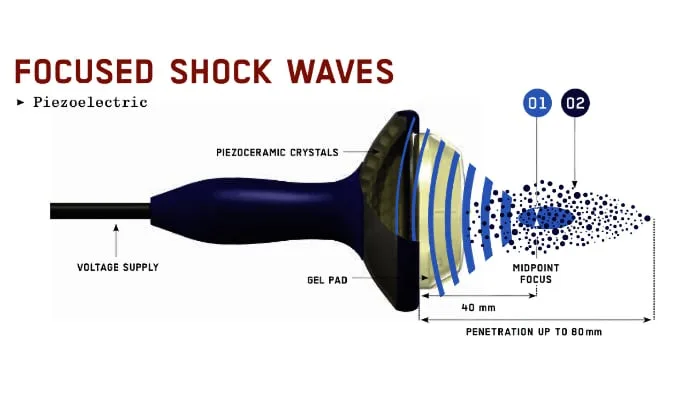
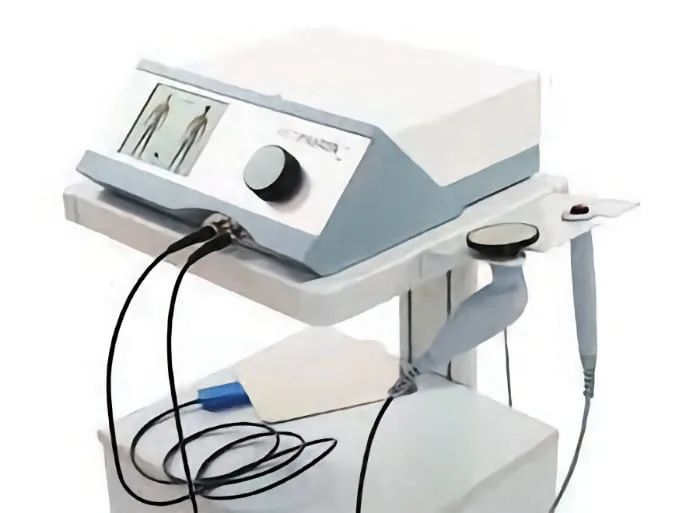
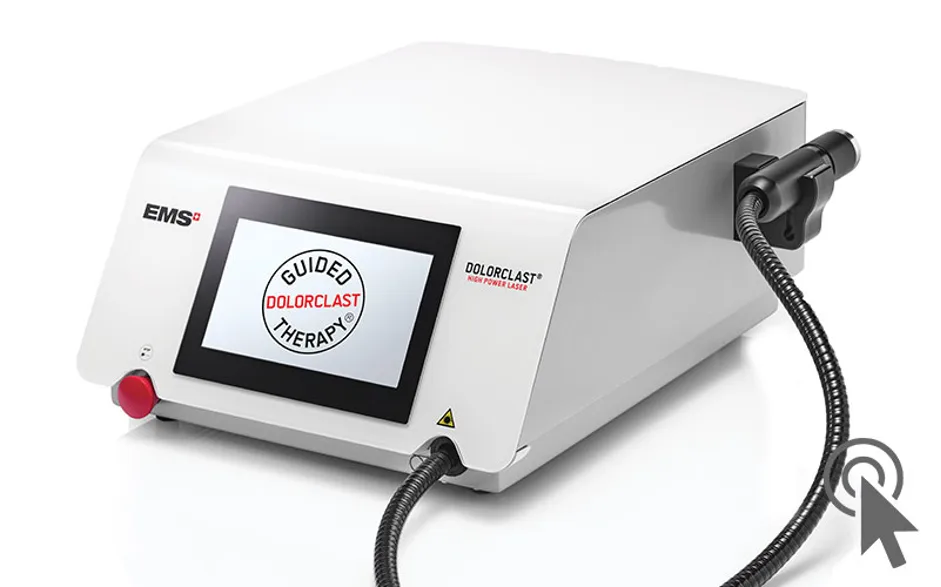
Our osteopaths receive additional postgraduate training in spinal MRI interpretation, clinical Pilates, medical acupuncture, shockwave therapy, TECAR therapy, and IDD spinal decompression. This extends the traditional osteopathic skillset considerably, making our approach more comprehensive for complex spinal conditions.
Robert Shanks: "My aim is to combine the knowledge of an orthopaedic surgeon with the best hands-on skills in joint manipulation and remedial massage, the best corrective exercise advice you'd expect from an elite personal trainer or physio, and whatever the best electrotherapy technologies have to offer." This has included shadowing surgeons and radiologists from the Royal National Orthopaedic Hospital for over a decade, alongside postgraduate training in spinal MRI interpretation.
Which Should You Choose?
Choose based on local reputation, personal comfort with the practitioner's approach, and their specific experience with your condition, rather than the profession alone. The quality of the individual matters more than the letters after their name.
How Individual Practitioners Vary
Just as passing a driving test doesn't mean everyone drives the same way, no two osteopaths or chiropractors practise identically. Some focus heavily on joint manipulation and firm soft-tissue work; others take a much gentler approach, including cranio-sacral techniques (or McTimoney chiropractic on the chiropractic side). This is another reason to choose the individual practitioner, not just the profession.
Shared Postgraduate Training
Postgraduate training often overlaps between the two professions: osteopaths and chiropractors may attend the same courses in areas like medical acupuncture, and electro/mechanical therapies such as shockwave therapy or spinal decompression therapy, to add to their core manual therapy skills.