















Electro Acupuncture Treatment
Specialist electroacupuncture for chronic pain and myofascial pain syndromes
Electro Acupuncture at Spine Plus
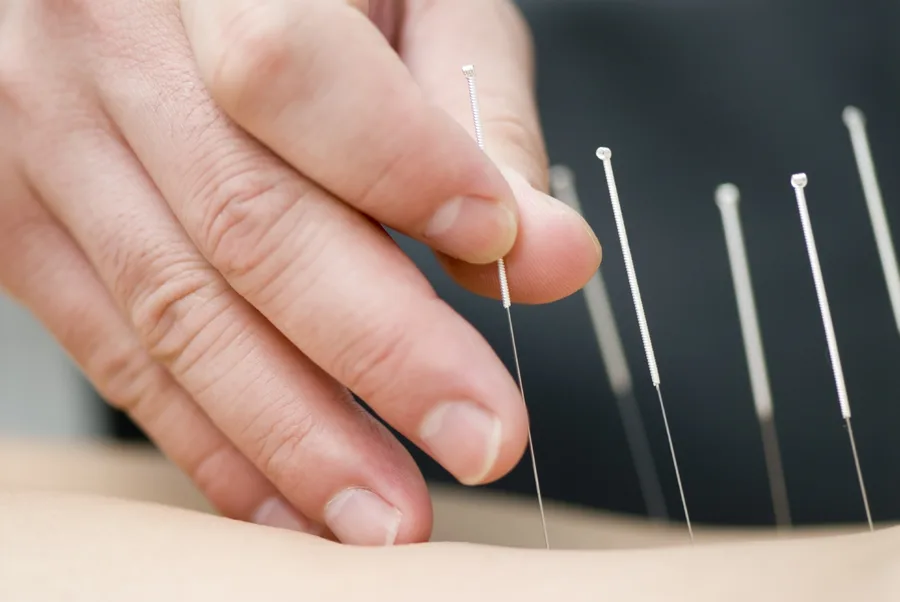
At Spine Plus we provide specialist medical and electro acupuncture therapy from our team of osteopaths and physiotherapists, focusing on chronic pain and myofascial pain syndromes including trigger points. Electro acupuncture (electroacupuncture) combines traditional acupuncture needle placement with the application of a carefully controlled low-level electrical current to enhance the therapeutic effect.
How Electro Acupuncture Works
By passing a low-level electrical current through the target muscle tissue to the point where there is a low-level pulsation of that muscle, electroacupuncture can stimulate and “reset” the neurological pathways (called “efferent inhibition”). This process can be particularly effective for chronic pain conditions that have not responded fully to manual therapy or standard dry needling alone.
The electrical stimulation:
- Enhances the effect of needle placement on trigger points
- Stimulates endorphin release for natural pain relief
- Helps “reset” overactive pain pathways
- Reduces spontaneous electrical activity in trigger points
- Promotes local blood flow and tissue healing
What to Expect
Sessions including setup typically take 30 minutes and involve acupuncture needles being left in position for around 20 minutes with the electrical current applied. The sensation is a gentle pulsing or tingling feeling, adjusted to your individual comfort level throughout the session.
Electroacupuncture should ideally be performed once or twice a week initially. A typical course takes between 3 and 6 sessions, followed by top-up sessions every one to three months as needed.
Conditions Treated
- Chronic neck and back pain
- Myofascial pain syndrome
- Repetitive strain injuries (RSI)
- Chronic muscle spasm and guarding
- Rehabilitation from orthopaedic surgery
- Trigger point pain with referred symptoms
- Tension headaches
- Sciatica and nerve-related pain
- Hip and gluteal conditions
Contraindications
Electro acupuncture is not suitable for patients with a cardiac pacemaker or poorly controlled epilepsy. Your clinician will take a full medical history before treatment to ensure it is appropriate for you.
Safety
All acupuncture at Spine Plus is delivered by fully qualified osteopaths and physiotherapists with additional postgraduate training in medical acupuncture. Single-use sterile needles are always used. Serious side effects are very rare.
History of Electro Acupuncture
The use of electricity to ease pain can be traced back to Roman times (and even earlier), when electric fish and eels were applied to the head to relieve headaches. The first use of electro acupuncture in the modern medical era was in 1921, when a British Medical Journal article advocated its use in treating certain types of sciatica. It wasn’t until the 1970s, however, that electro acupuncture became more widespread.
Electro Acupuncture vs Trigger Point Dry Needling, Traditional Acupuncture and TENS
When the aim is immediate release of tension and improved blood flow in tense muscle knots (trigger points), there’s little difference between dry needling and electro acupuncture. But by passing a low-level electrical current through the target muscle tissue, electro acupuncture can stimulate and “reset” the type II and type III ergo receptors within the muscle tissue, which feed back to the spinal cord and connect with the brain. This means that, even with painful degenerative conditions such as arthritis, chronic pain pathways can be calmed for weeks or months at a time, offering effective, drug-free pain management.
This muscle pulse differs from the more vigorous “twitch response” achieved when manual dry needling stimulates muscle spindle nerve receptors within trigger points. Dry needling does have some effect on desensitising local and regional nerve pathways, but this is less profound and shorter-lived, typically lasting around 24 hours per session, whereas the down-regulation achieved by a course of electro acupuncture can last weeks or months.
Traditional Chinese Acupuncture (TCA) typically involves more numerous, more superficial needling. Its philosophy differs from medical electro acupuncture: TCA aims to balance “chi” energy believed to flow under the skin, based on a different tradition to the modern medical understanding of anatomy and physiology that underpins electro acupuncture, though many of the points used overlap with muscle trigger points.
Transcutaneous Electrical Stimulation (TENS) has been used in physiotherapy for many years for pain relief, via electrical pads placed on the skin. Skin is a significant barrier to electrical conduction: to stimulate the type II and type III ergo receptors via TENS alone would require an intensity high enough to be intolerable, and potentially damaging. By placing needles directly through the skin into the muscle, electro acupuncture can stimulate these receptors directly using much lower voltages.
Prefer Not to Have Needles?
Trigger points can also be treated using advanced acupressure-style massage techniques performed by our osteopaths and massage therapists. Find out more about massage therapy at Spine Plus.
Why Spine Plus?
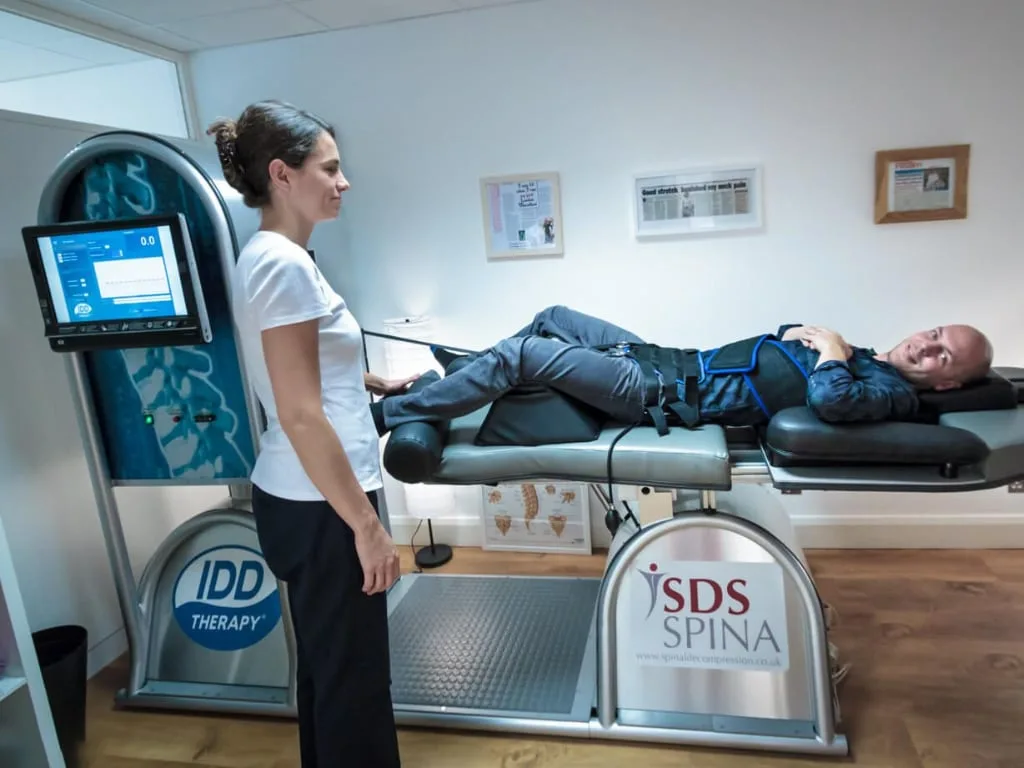
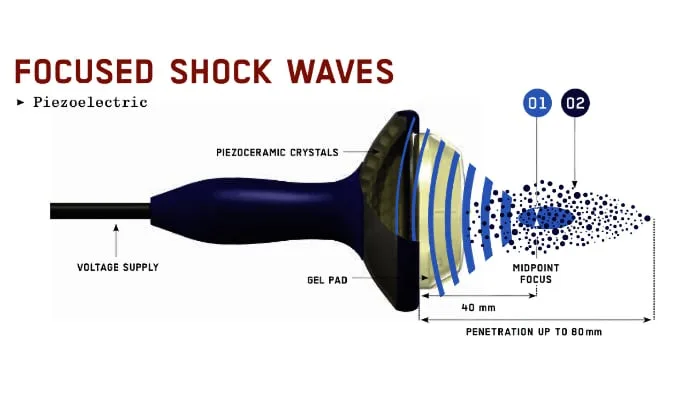
Many of our osteopaths have undertaken additional postgraduate training in medical acupuncture and acupressure, which we find particularly effective when combined with traditional osteopathic and physiotherapy manual treatment. Our physiotherapists and osteopaths are also trained in advanced electrotherapy, including ultrasound, laser, TECAR, intervertebral spinal decompression therapy and shockwave therapy, which can be combined with electro acupuncture in a multi-disciplinary approach to maximise recovery from musculoskeletal injuries and pain syndromes.
Book Now