










Sports & Remedial Massage Treatment
Expert sports and remedial massage in Chigwell, Woodford, Hornchurch & Bow
Sports & Remedial Massage in Essex and East London
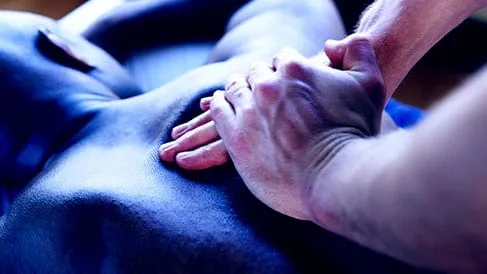
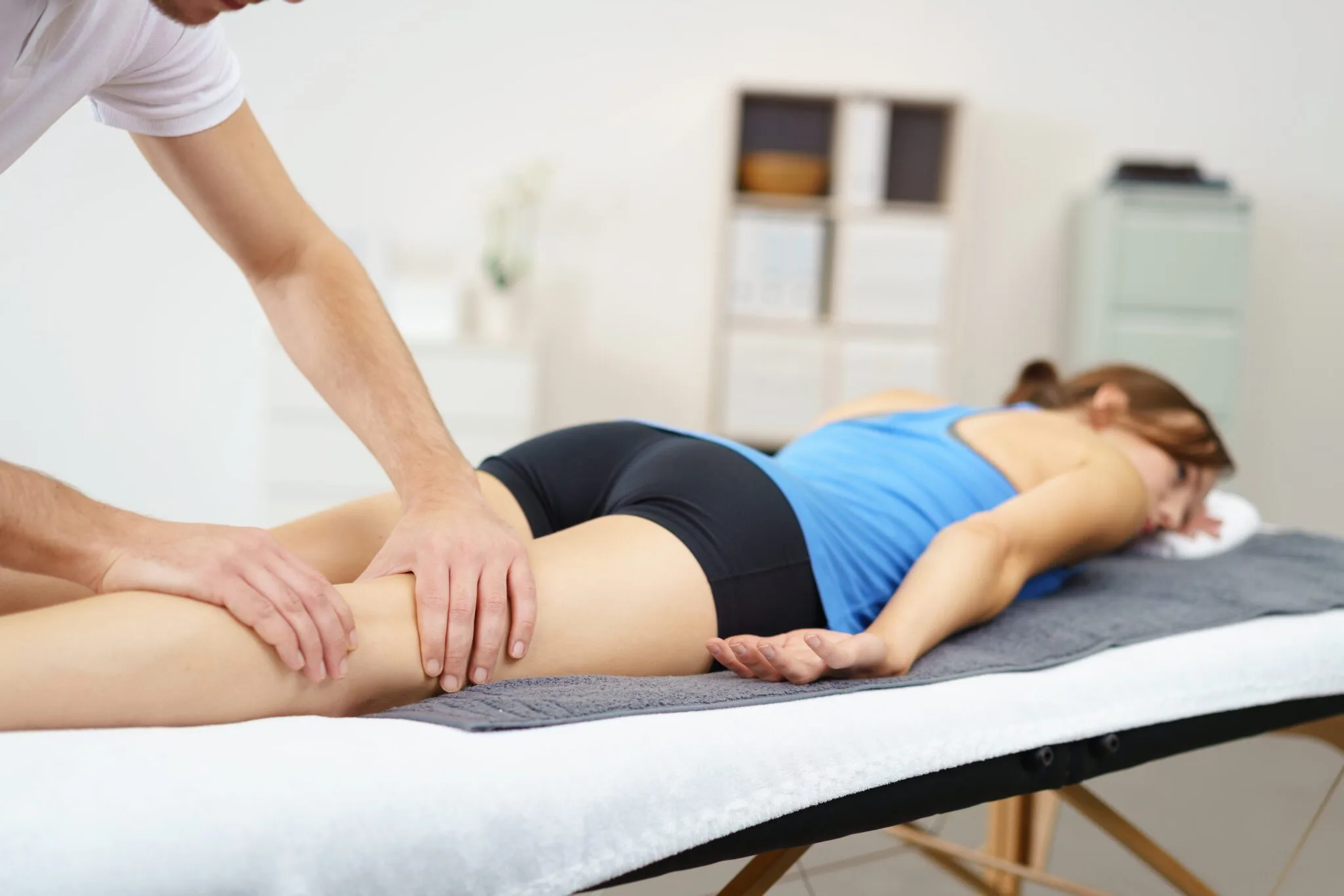
Massage therapy involves hands-on pressure, kneading and stretching to relieve tension, knots, shortening and scar tissue in muscles and other soft tissues. At Spine Plus, our specialist massage therapists work alongside our osteopaths and physiotherapists, providing expert soft tissue care as part of a comprehensive treatment plan.
Long, superficial sweeping strokes tend to improve circulation and drainage, whilst more advanced techniques such as ischaemic compression promote the release of muscle knots (trigger points). Your therapist will select the most appropriate approach based on your individual condition and goals.
Sports Massage
Sports massage is tailored to the specific needs of active people and sportspeople. Regular sports massage can help:
- Prevent injuries by identifying areas of tension before they become problems
- Speed recovery from training and competition
- Improve flexibility and range of motion
- Reduce delayed onset muscle soreness (DOMS)
- Maintain optimal muscle function throughout a sporting season
Remedial Massage
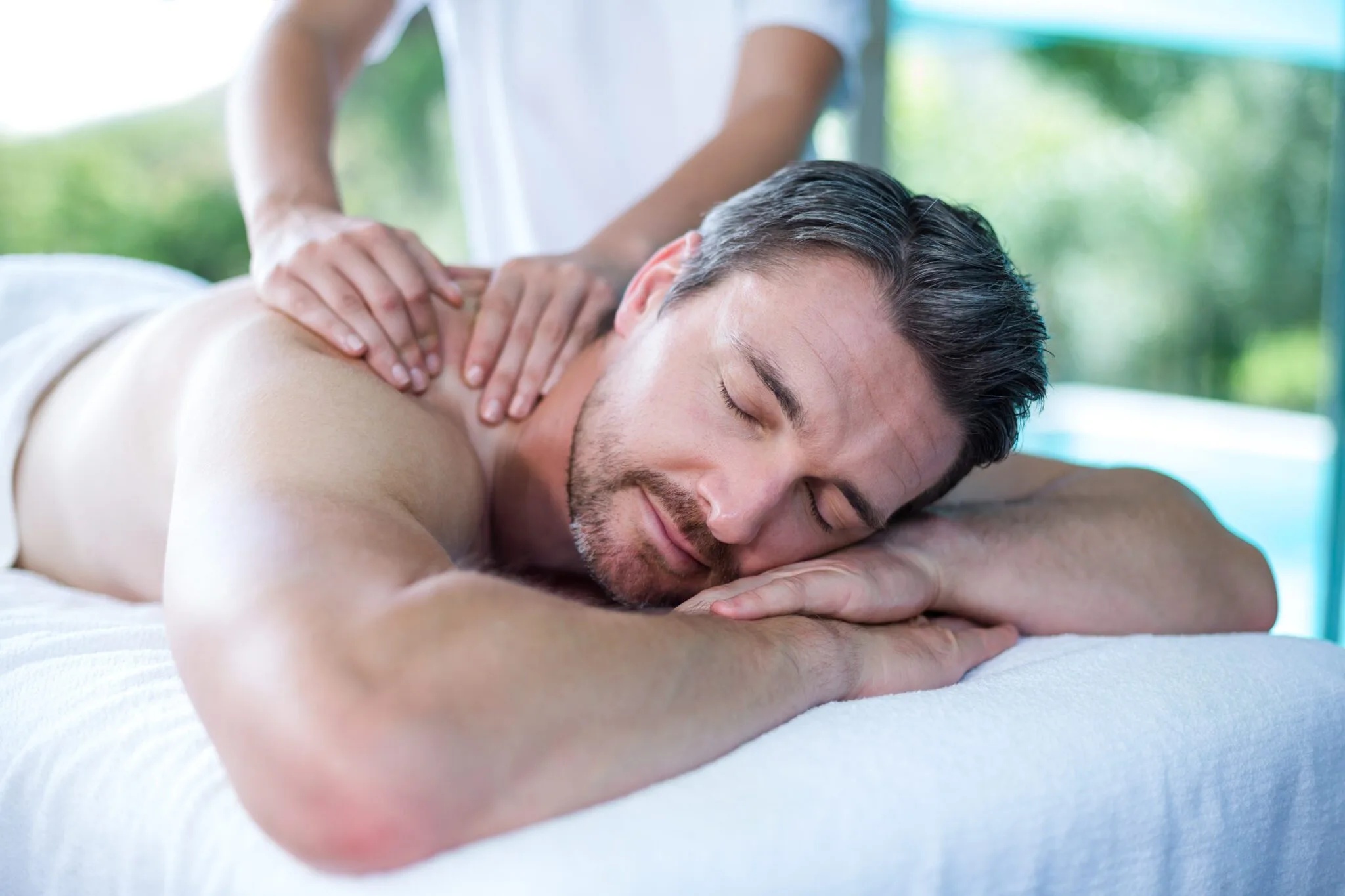
Remedial massage is a targeted, clinical approach to treating specific pain conditions, injuries and postural imbalances. Unlike relaxation massage, remedial massage identifies and addresses the underlying cause of your symptoms using advanced manual therapy techniques.
Conditions Treated
- Back pain and lumbar muscle tension
- Neck pain and upper trapezius tightness
- Shoulder and rotator cuff problems
- Hamstring and calf strains
- Hip flexor tightness and groin strain
- ITB syndrome and runner’s knee
- Achilles tendon problems
- Tennis and golfer’s elbow
- Tension headaches
- Scar tissue from previous injuries
What to Expect
Massage is usually performed once a week, twice at most. A typical course for a specific pain condition or injury takes 3 to 6 sessions, though this varies depending on the nature and chronicity of the problem. Advanced massage techniques use firm pressure at the point of injury, and your therapist will always work within your comfort levels.
How Does Massage Therapy Work?
Different techniques work in different ways. Ischaemic compression works on a couple of levels: an initial, temporary increase in pain is followed by a change in how the nervous system perceives pain, reducing both localised and referred pain. Temporarily restricting blood flow to a muscle knot and then releasing the pressure also causes a rush of blood back into the area, helping flush out waste products and restore oxygen delivery to the muscle.
Cross-fibre soft tissue massage works similarly, but applies a small stretch at 90 degrees to the direction of the muscle fibres, helping release adhesions that can form between fibres after an injury. Massage tools are sometimes used alongside this technique (known as instrument-assisted soft tissue release) or to work on restrictions in the fascia, such as with the Graston Technique.
Friction massage is used at sites of old scar tissue, where collagen fibres have healed in a disorganised direction rather than in parallel lines. Applying friction helps break down this scar tissue and encourages healthier collagen formation as the area heals.
What Does It Feel Like?
Advanced massage techniques use firm pressure at the point of injury, dysfunction or pain, which can briefly highlight your symptoms. Discomfort shouldn’t exceed 7 out of 10 on a pain scale; if it does, ask your therapist to ease off. This should feel like “good pain”: as your therapist works with the source of the pain, you should feel the tissue gradually release, leaving you with a sense of ease and improved mobility by the end of the session.
In the 12 to 48 hours after treatment, particularly if you’re not used to deep massage, some post-treatment soreness is common. This is a temporary, acute inflammatory response that’s part of the healing process, and it’s usually followed by a greater sense of ease than before the treatment.
Is Massage Therapy Safe?
Massage therapy is non-invasive and doesn’t involve medication, so it doesn’t carry the risks associated with surgery or medications such as painkillers, anti-inflammatories or muscle relaxants. However, massage therapy should not be used over areas of varicose veins or deep vein thrombosis (due to the risk of embolism), undiagnosed lumps or bumps, bruising, cuts, abrasions, sunburn or skin disease, or when someone is unwell (including with a cold or flu).
Our Clinics
Sports and remedial massage is available at our clinics in Chigwell, Woodford and Gidea Park. Sessions can be booked as standalone appointments or combined with osteopathy, physiotherapy or other treatments in a single visit.
Chigwell: 020 8501 0937, 2a Oak Lodge Ave, Chigwell, Essex, IG7 5HZ
Woodford: 020 8506 1000, 5 Jubilee Market, St Barnabas Rd, Woodford Green, IG8 7BY
Book Now