












Back Pain and Neck Pain Disorders
Specialist assessment and treatment for spinal conditions in Woodford, Chigwell and Gidea Park
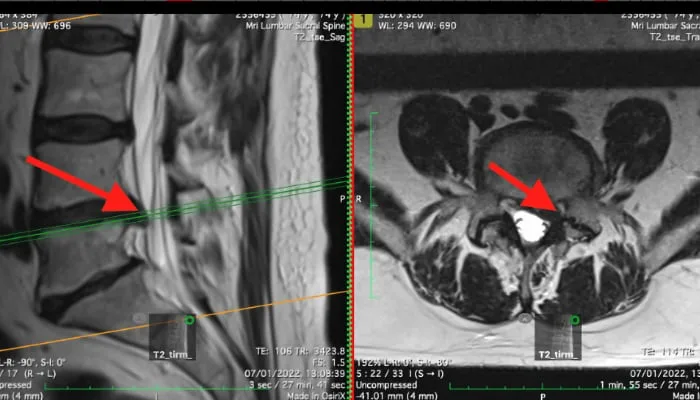
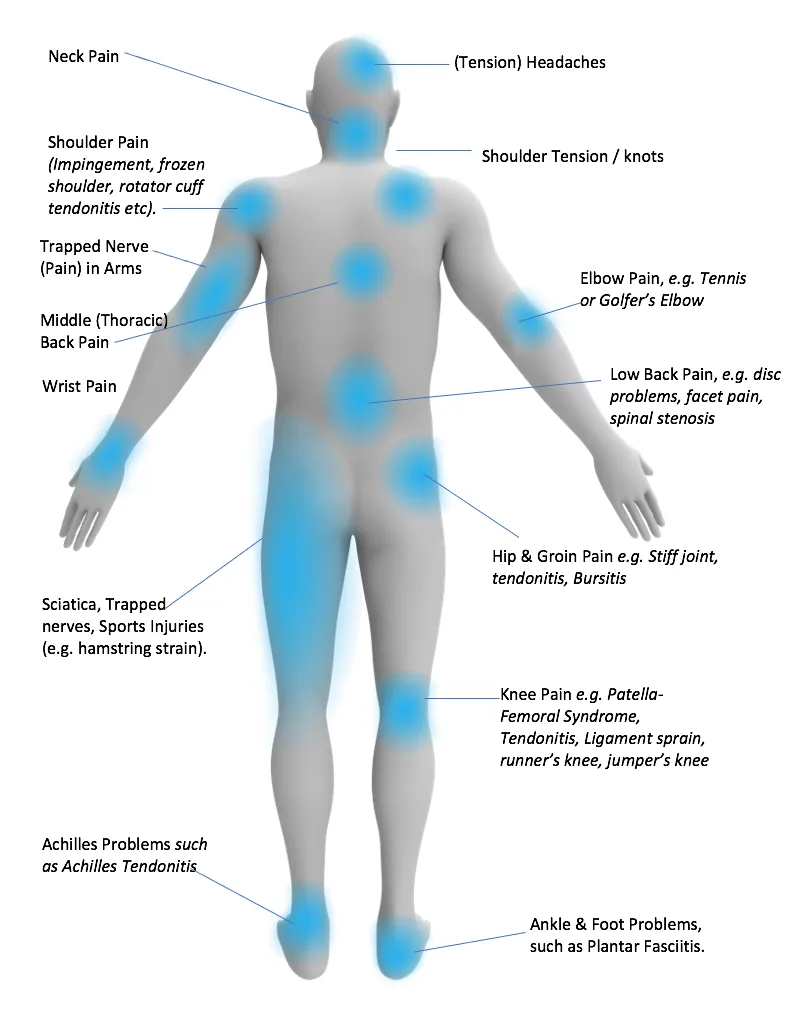
Back pain is arguably the most common and most costly musculoskeletal condition in the UK. The spine with its numerous muscles, ligaments, joints, discs and nerves is an amazingly complex structure, and understanding what is causing your pain is the first step toward effective treatment.
At Spine Plus, our spinal specialists carry out detailed assessments to identify the precise source of your pain. We treat the full range of back and neck conditions, from simple mechanical pain to complex disc injuries, nerve entrapments and degenerative conditions.
Conditions We Treat
Back Pain and Neck Pain
General mechanical back and neck pain is typically caused by muscle strain, joint stiffness, or poor posture. It usually responds well to manual therapy, soft tissue treatment and targeted rehabilitation. Most patients see significant improvement within 3 to 6 sessions.
Facet Joint Pain
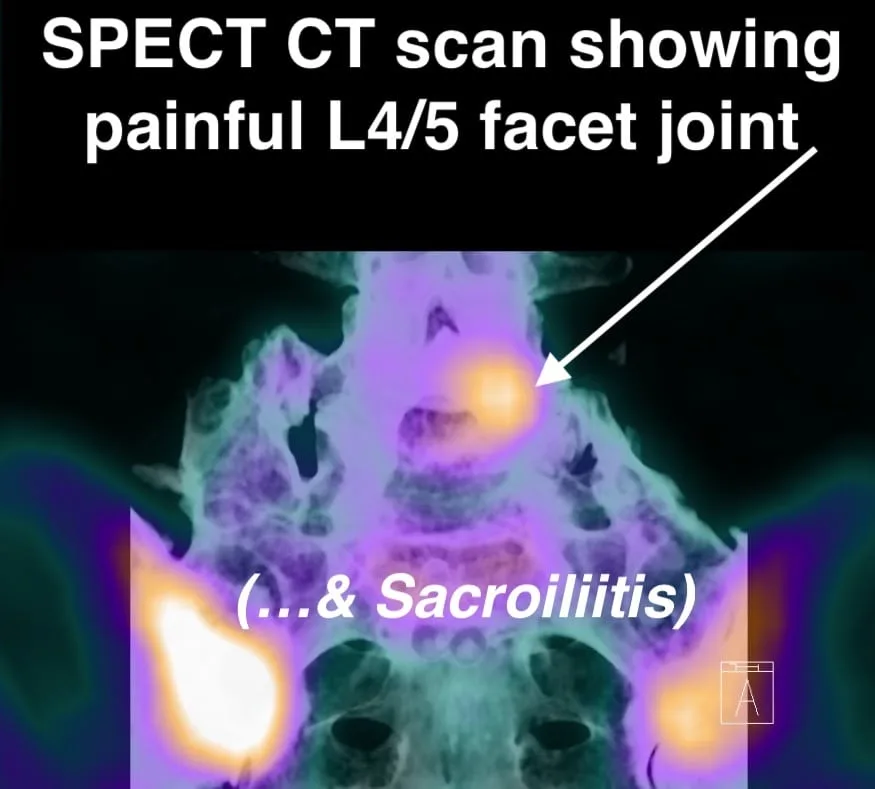
The facet joints are small knuckle-sized joints at each segment of the spine. They can become inflamed, arthritic, or locked, causing localised pain and stiffness, particularly on certain movements. A common sign is pain to one side of the spine brought on by bending backwards and to the painful side. Treatment typically includes joint mobilisation, soft tissue therapy, and where appropriate, electrotherapy such as TECAR or laser. Techniques include joint "gapping" to help open the joint, manipulation where appropriate, and deep massage or dry needling to release the muscle tension that builds up around an irritated facet joint.
Sciatica
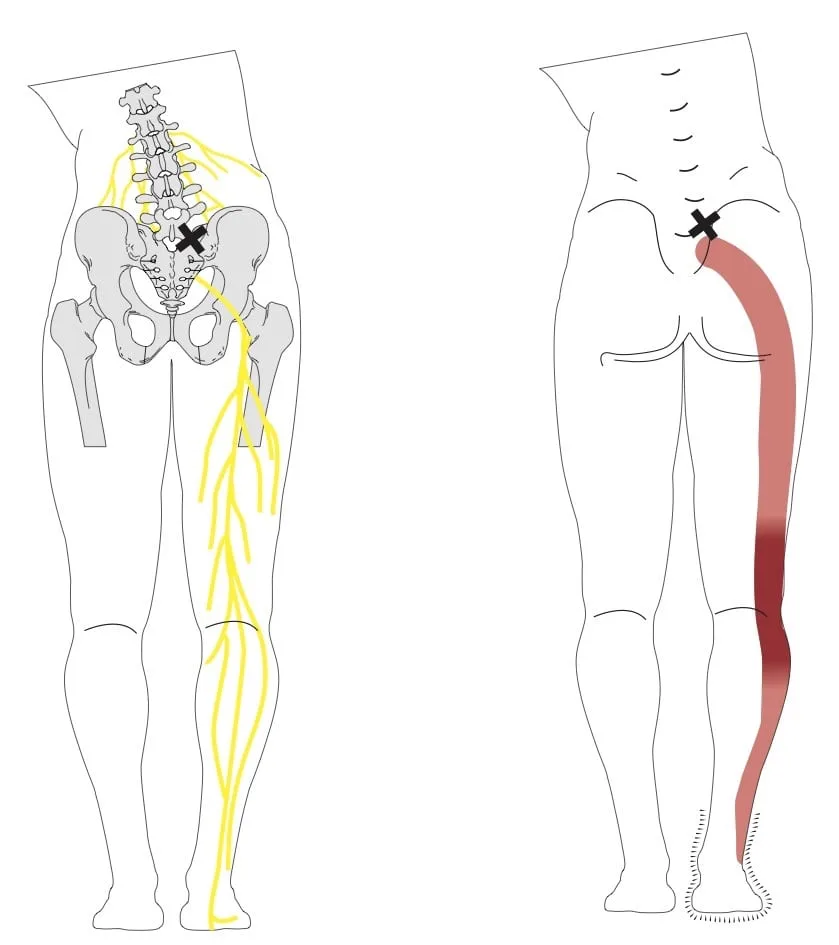
Sciatica describes pain that radiates from the lower back down into the buttock and leg, following the path of the sciatic nerve. It is usually caused by compression or irritation of one of the nerve roots in the lumbar spine, often from a disc bulge or herniation. Treatment depends on the underlying cause and may include manual therapy, IDD spinal decompression, acupuncture, and rehabilitation.
Piriformis Syndrome
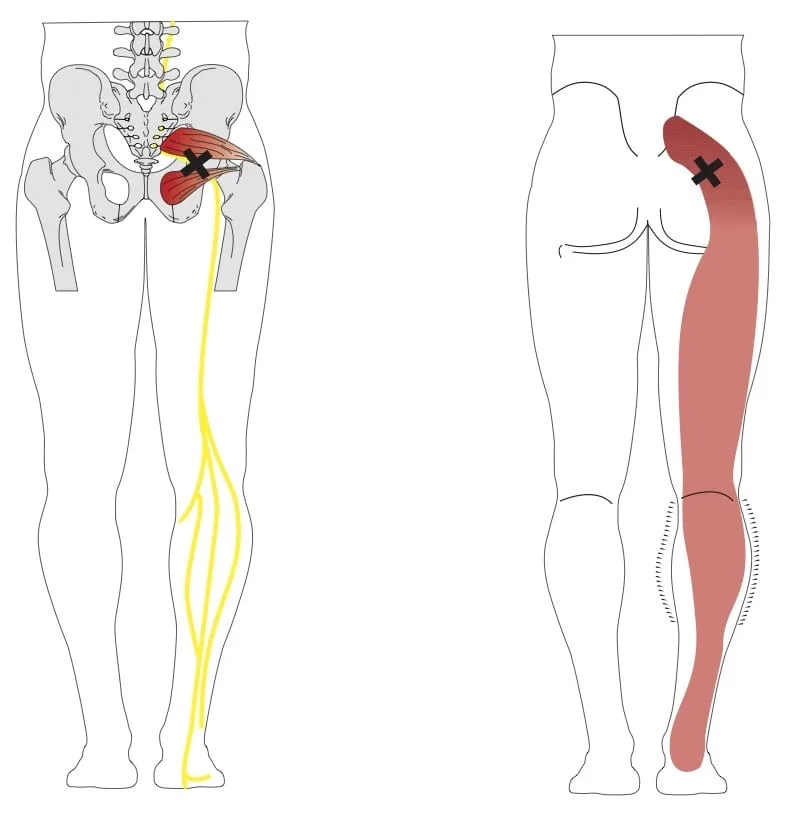
The piriformis is a deep buttock muscle that in some people lies directly over or even surrounds the sciatic nerve. When the piriformis is tight or irritated it can compress the sciatic nerve, causing buttock pain and symptoms similar to sciatica. Soft tissue release, acupuncture and specific stretching exercises are typically very effective.
Trapped Nerves
A trapped or compressed nerve can cause pain, numbness, tingling or weakness along the nerve's path. In the neck this commonly affects the arm; in the lower back it affects the leg. Treatment depends on the cause and location of nerve compression. For disc-related entrapments, IDD therapy can provide excellent results.
Trapped nerves aren't limited to the spine and buttock. Peripheral nerves can also become pinched between soft tissues elsewhere in the body, for example carpal tunnel syndrome at the wrist, entrapment of a branch of the radial nerve at the elbow (often linked to tension in the supinator muscle and a common feature in tennis elbow), irritation of the median nerve by tension in the pronator teres muscle of the forearm, and Morton's neuroma in the foot, often associated with dropped arches.
Sacro-Iliac Joint Pain
The sacro-iliac (SI) joints connect the spine to the pelvis. They can become inflamed or dysfunctional following pregnancy, trauma, or prolonged uneven loading. Pain is usually felt in the lower back and buttock area. Joint mobilisation and targeted stability exercises form the cornerstone of treatment.
In our experience, patients are often told they have sacro-iliac dysfunction or a "misaligned pelvis" when a scan later reveals the real source is an L5/S1 disc or facet problem. Genuine SI joint misalignment does occur and usually responds to manipulation, most commonly in pregnancy when the pelvic ligaments loosen under hormonal changes. A similar condition can affect the pubic joint at the front of the pelvis (Osteitis Pubis, or Symphysis Pubis Dysfunction).
Spondylolisthesis
Spondylolisthesis occurs when one vertebra slips forward over the one below. It can cause lower back pain and in more significant cases nerve symptoms in the legs. Conservative treatment including manual therapy, IDD decompression and core stabilisation exercise is effective for many patients. When a vertebra shifts backwards instead, this is called a retrolisthesis.
Coccyx Pain
Pain at the base of the spine (coccydynia) is often caused by a subluxed or misaligned coccyx following a fall or prolonged sitting. Treatment typically involves external manipulation of the coccyx, soft tissue therapy, and advice on posture and seating.
Bulging, Herniated and Prolapsed Discs
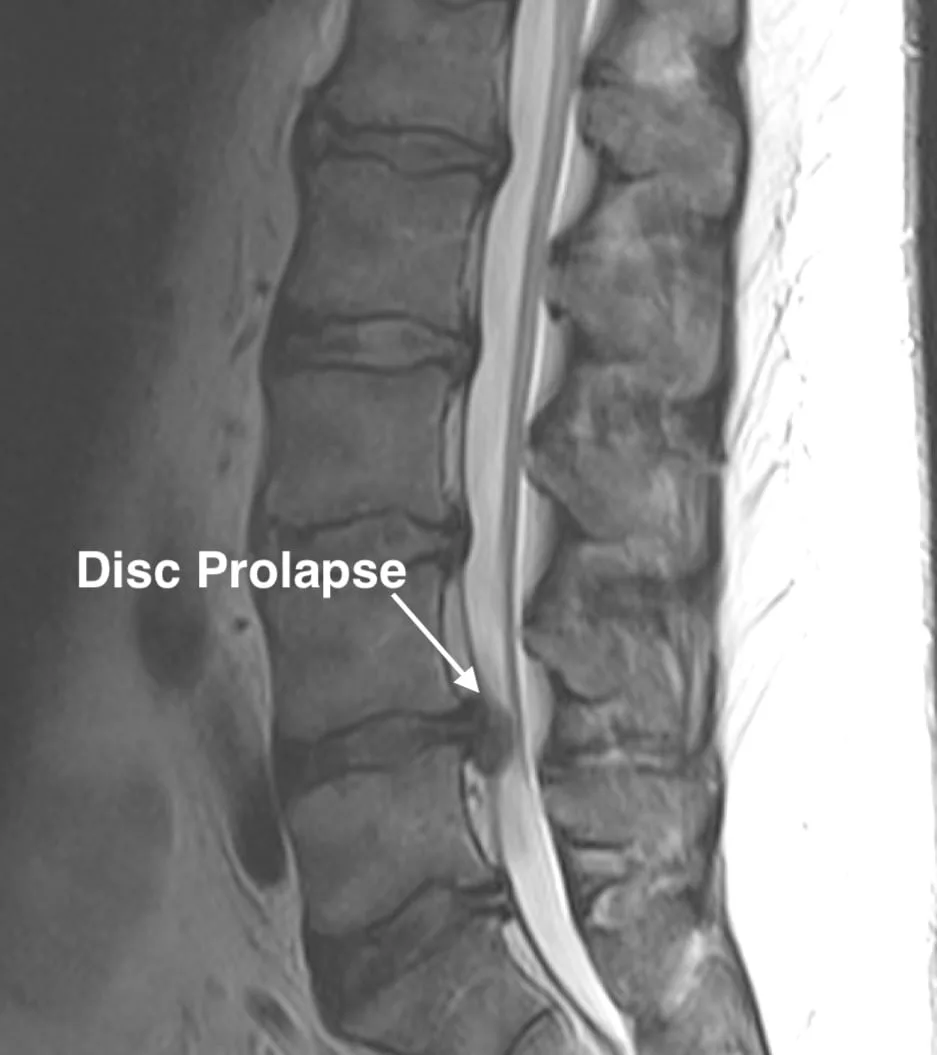
Spinal discs act as shock absorbers between the vertebrae. A disc bulge, herniation or prolapse occurs when the disc material puts pressure on surrounding nerves. This can cause local spinal pain and referred pain down the arm or leg. IDD therapy is our gold standard treatment for disc injuries, alongside manual therapy, targeted rehabilitation and where indicated, electrotherapy.
Where the disc material has torn (an annular tear), this can show up as a "High Intensity Zone" (HIZ) on an MRI scan, a sign that won't show on an X-ray, pointing to the disc itself as a pain source, even before any bulge is large enough to press on a nerve root.
Degenerative Disc Disease (Spondylosis)
Degenerative disc disease describes age-related wear and reduced disc height. It is often referred to informally as "black discs" on MRI scans. Despite the name, this condition is very treatable. IDD therapy can help hydrate and unload affected discs, while manual therapy and exercise improve mobility and reduce pain.
Spinal Stenosis and Foraminal Stenosis
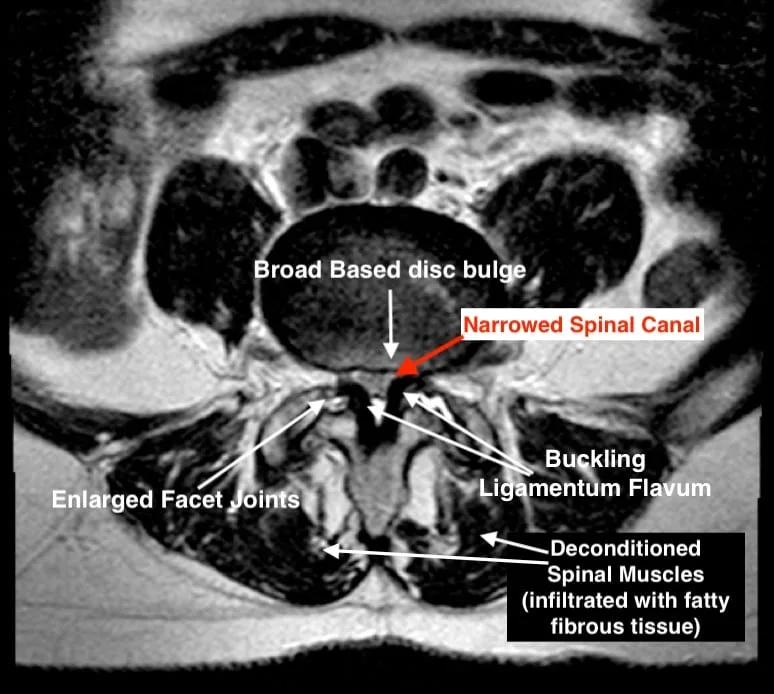
Spinal stenosis is a narrowing of the spinal canal or the openings through which nerve roots exit (foraminal stenosis). It typically causes claudication-type leg pain that is worse on walking and relieved by sitting or bending forwards. IDD therapy, combined with manual treatment and rehabilitation, can significantly reduce symptoms for many patients.
The narrowing behind spinal stenosis can have several different causes: a central disc protrusion, buckling of the ligamentum flavum due to spondylosis, bony overgrowth from arthritic facet joints, a congenitally narrow canal, or a combination of these, and treatment is tailored to which is responsible.
How We Treat Spinal Conditions
Our approach combines thorough clinical assessment with evidence-based treatment. We offer:
- Osteopathy and physiotherapy with advanced hands-on techniques
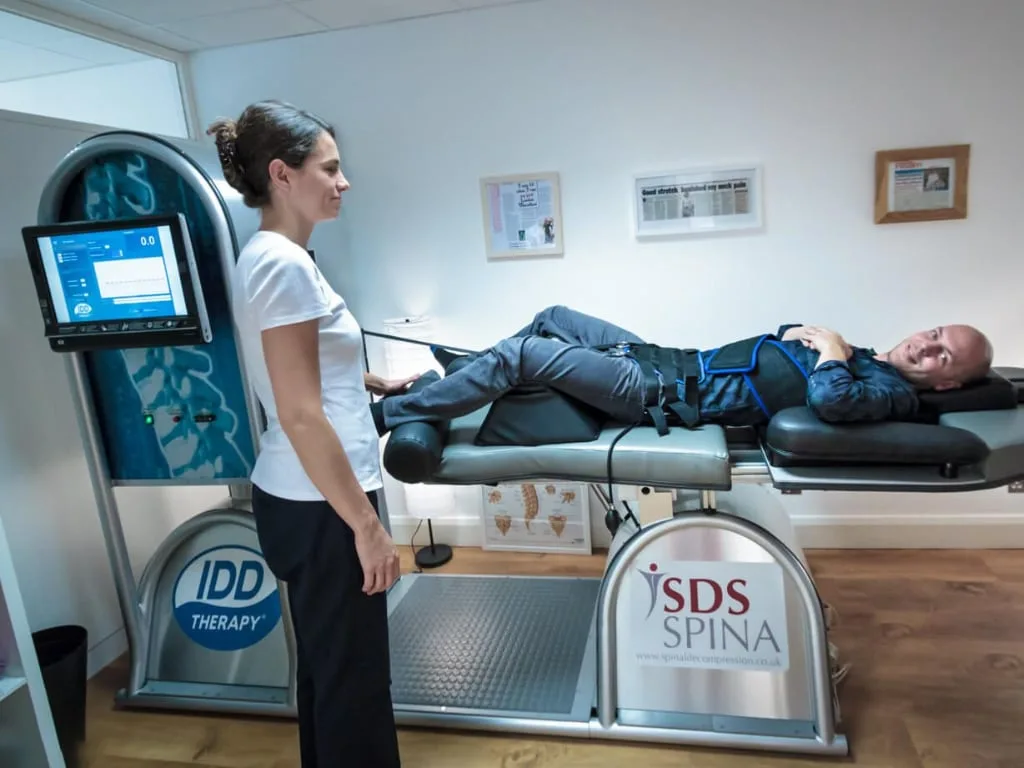
- IDD spinal decompression therapy for disc injuries and nerve entrapments
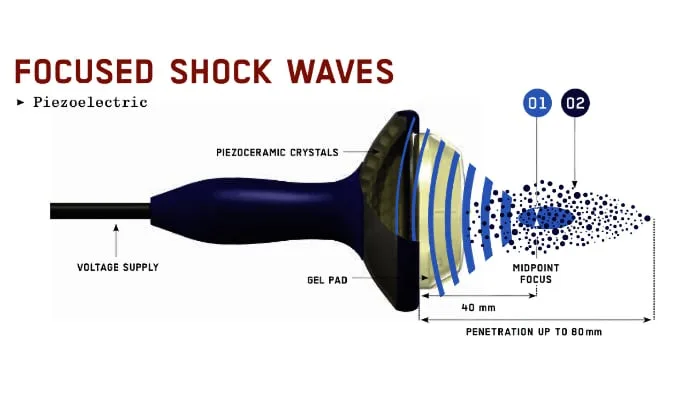
- Focused and radial shockwave therapy
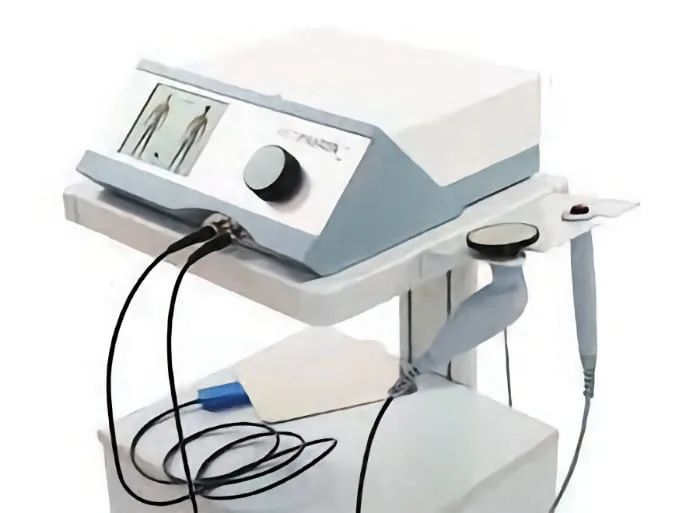
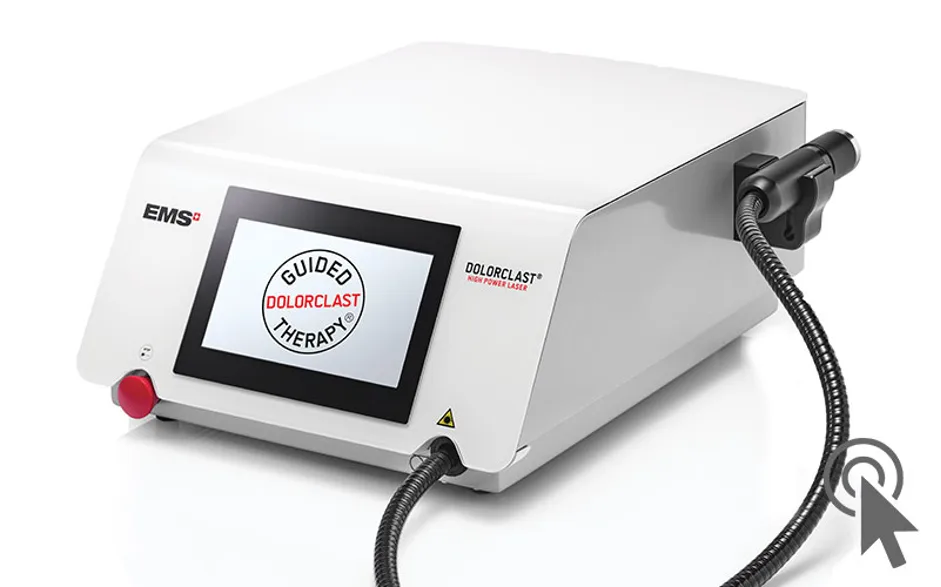
- TECAR and Class IV laser therapy
- Medical acupuncture and trigger point dry needling
- Rehabilitation exercises and postural correction
- Rapid access MRI and ultrasound imaging where required
If you have had previous treatment elsewhere without lasting results, or if your pain is complex or long-standing, our senior clinicians and specialist spinal team are well placed to help.
Book a spinal assessment at Spine Plus. Call 020 8506 1000 or book online.
Book Now