














Spine Plus Blog
Back Pain and Sciatica
Published: 19 February 2015
Acute Back Pain
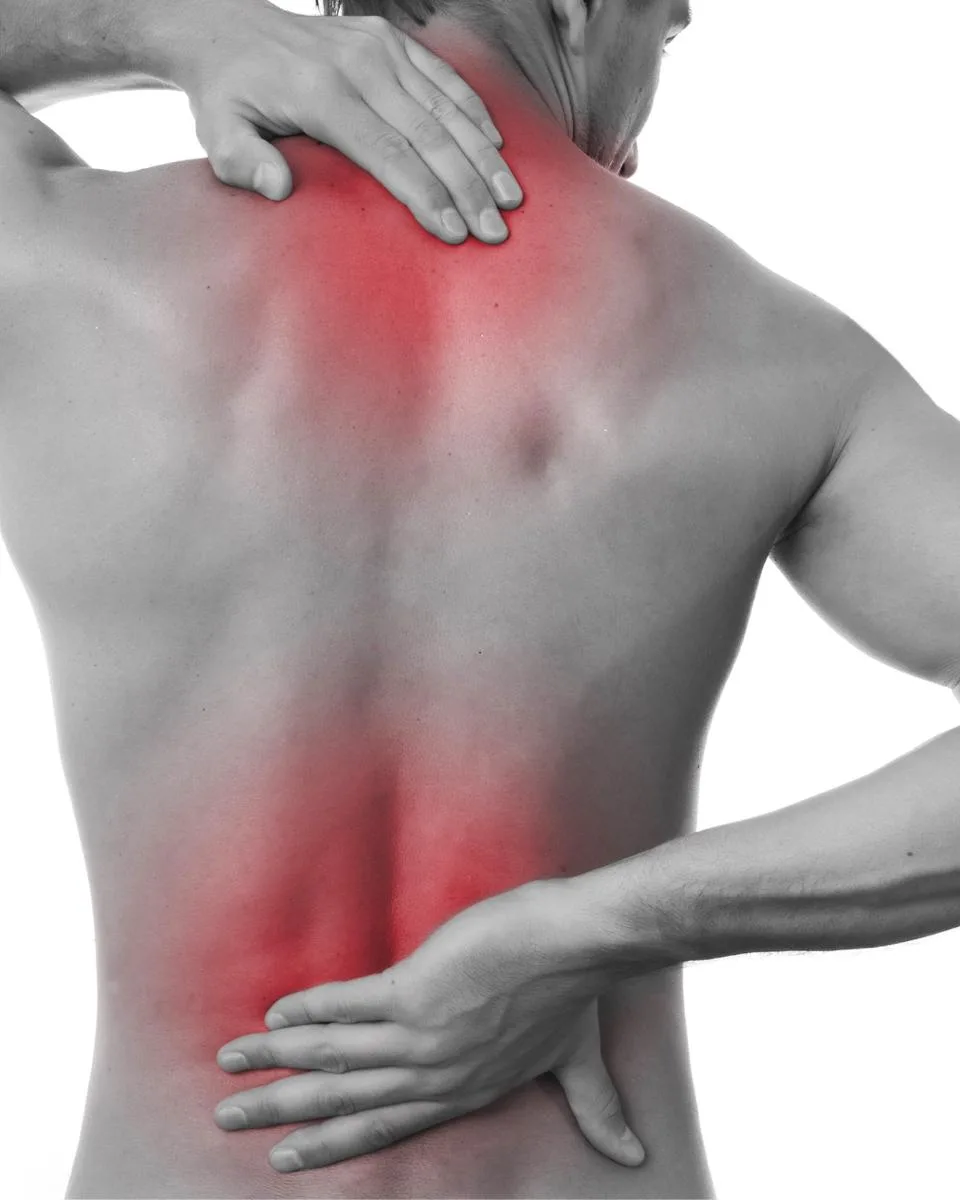
The most common cause of back or neck pain in otherwise healthy individuals is a sprain or strain affecting muscles, ligaments, discs, joints, or a combination. Pain typically responds to movement, improving or worsening with certain positions. This is often referred to as simple mechanical back pain.
Mild ligament or muscle strains present as a dull ache on one or both sides of the spine, potentially peaking within hours to days. Disc-related pain manifests as central back discomfort aggravated by bending and twisting. Acute facet joint involvement can cause sudden sharp, stabbing pain.
Sometimes mechanical back pain can be sudden and intense, with the muscles going into spasm, felt as a gripping or contracting sensation either side of the spine, sometimes with a winding feeling on movement. This is usually the body's way of preventing further injury. Alternatively, pain can present as a sudden sharp stab that restricts movement of the spine, often on bending backwards or towards the painful side. This usually points to a problem in one of the small facet joints of the spine, which may have locked or shifted slightly out of place. Even acute facet locks, frightening as they are at the time, often resolve within a week or two.
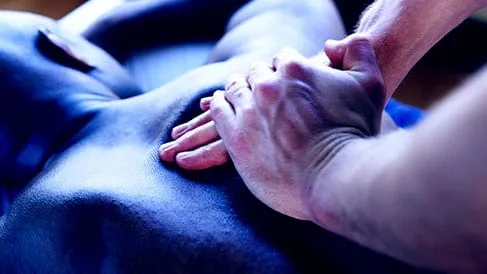
Physical therapy including osteopathy, chiropractic, or physiotherapy can speed recovery. Most acute cases improve within 1 to 2 weeks with appropriate self-care and resolve completely by 4 to 6 weeks. General advice: avoid bed rest of more than two days and keep mildly active.
Consult a healthcare professional if symptoms persist beyond two weeks, worsen, or include weakness, numbness, or tingling in the extremities.
Chronic Back Pain
Long-standing back pain typically stems from ongoing mechanical dysfunction. Contributing factors include scoliosis, poor posture, weakened spinal muscles, and degenerative disc or joint disease. All these factors need to be addressed for maximum improvement.
Mechanical back pain refers to the mechanics of the spine itself, the muscles, joints, ligaments and discs. It can begin with an injury, such as a muscle strain, that fails to heal properly, or trigger secondary effects like altered posture or muscle function. It can also develop from a gradual build-up of age-related wear and tear.
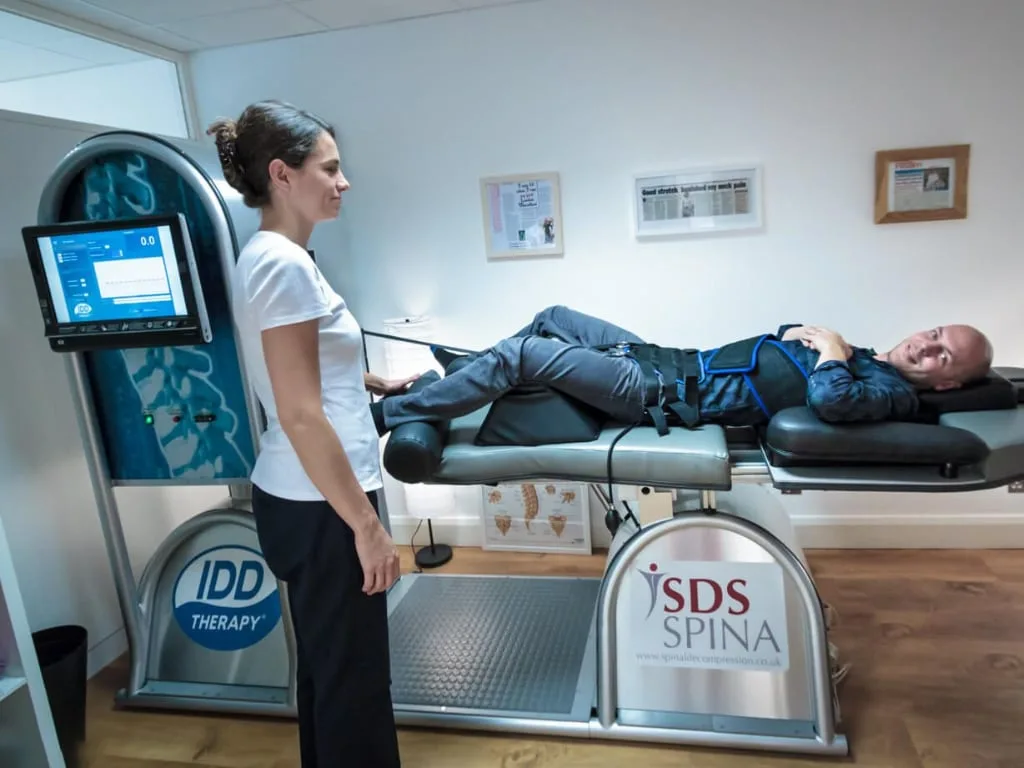
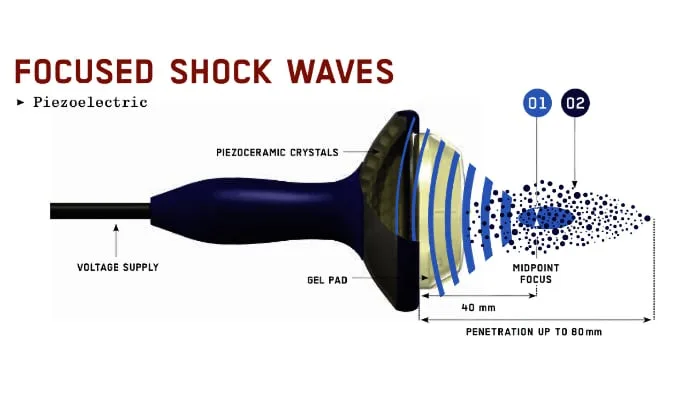
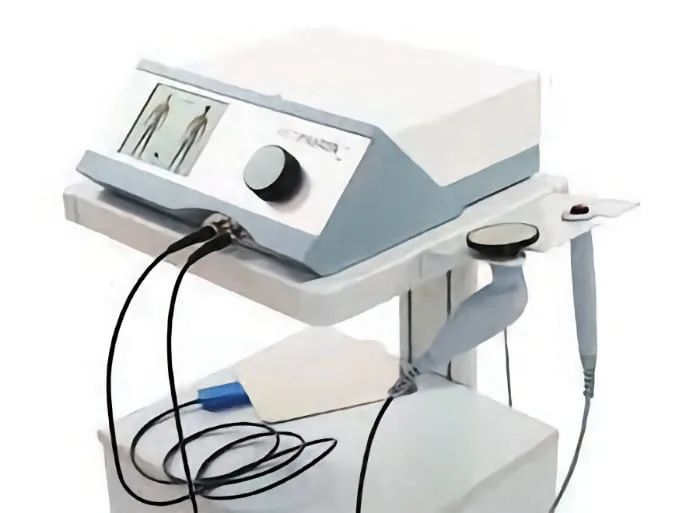
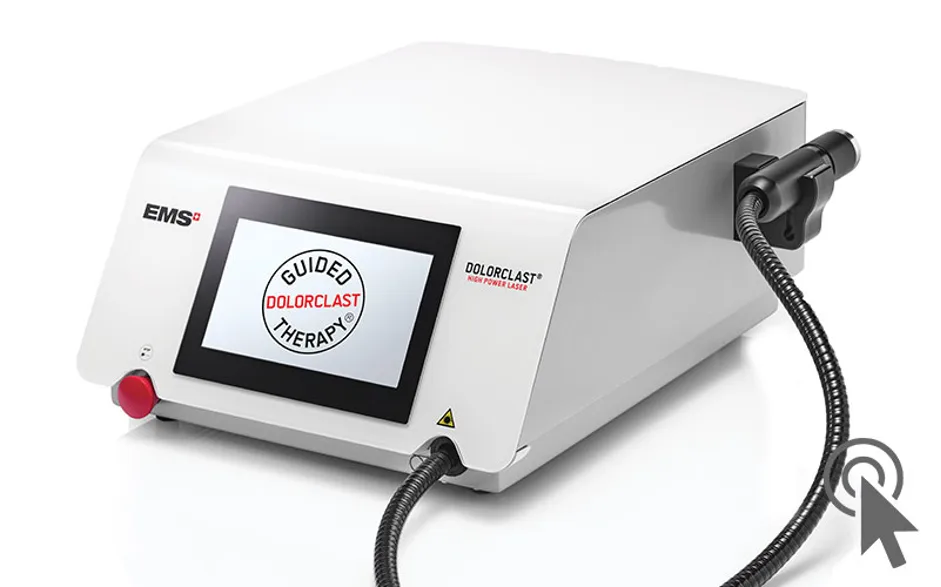
Surgery is seldom necessary for chronic back pain. Physical therapy with assessment, exercise prescription, manipulation, and targeted electrotherapy provides the best initial intervention for most cases. As a rough guide, improvement in symptoms should start to occur within about 5 sessions, though the overall number needed varies considerably from case to case.
Cases that don't respond to physical therapy may need long-term pain-relief or anti-inflammatory medication, or spinal injections, under the care of an orthopaedic or pain clinic. These procedures aim to relieve pain rather than repair the damaged joint, and relief is usually temporary, sometimes lasting several months. As a last resort, spinal surgery can be considered to remove the affected facet joint, though this carries potential complications and side effects.
When Back Pain Is Sciatica
When back pain radiates down the leg, numbness, tingling, or weakness are present, disc or nerve root involvement is likely. This changes the treatment approach: see our Sciatica Pain page for specific guidance on nerve-related symptoms.
Call us on 020 8506 1000 for a back pain assessment.