












Joint Pain
Expert assessment and treatment for joint pain from jaw to foot, in Woodford, Chigwell and Gidea Park
At Spine Plus, we treat joint pain throughout the body. Our osteopaths and physiotherapists are trained to identify the precise pain generator in each joint and the underlying factors contributing to tissue damage, rather than simply treating the site of pain.
For many joint conditions, the cause is not just local, it involves biomechanical factors at nearby joints, muscular imbalances, or loading patterns that drive ongoing tissue stress. Our assessments look at the whole picture.
TMJ / Jaw Joint Pain
The temporomandibular joint (TMJ) sits just in front of the ear and allows the jaw to open, close and move from side to side. The joint can become inflamed, arthritic, or develop internal disc problems, causing pain in the jaw, face, ear and head.
Treatment typically includes dry needling of the muscles of mastication, intra-oral massage, and where necessary, advice on splinting for teeth grinding (bruxism). Many patients find significant relief within a small number of sessions.
Jaw pain is often linked to tension in the biting muscles (the masseter and temporalis), which can also be a source of tension headaches. An imbalance between these muscles and the muscles that open the jaw, such as the lateral pterygoid, can affect the proper gliding of the joint's articular disc, causing pain as well as a clicking jaw. A dentist can provide a specialist night splint where needed for teeth grinding.
Shoulder Pain
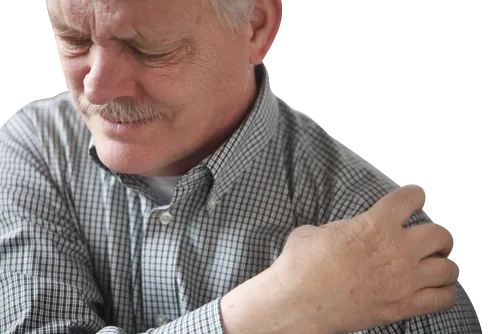
Shoulder problems are among the most common joint complaints we see. The shoulder is the most mobile joint in the body, which makes it susceptible to a range of conditions including:
- Shoulder impingement syndrome
- Rotator cuff disorders and tendinopathy
- Calcific tendinopathy
- Bursitis
- Frozen shoulder (adhesive capsulitis)
- Post-operative rehabilitation
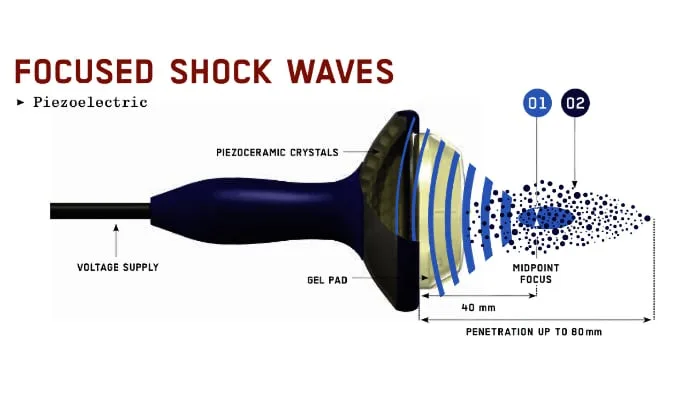
Our clinicians identify the precise pain generator and contributing factors. Treatment includes manual therapy, muscle balance exercise, focused shockwave or laser therapy where indicated, and where appropriate, advice on shoulder supports and activity modification.
Different tissues can generate shoulder pain, including the joint's cartilage, capsule, bursa, and the rotator cuff tendons and muscles. We call whichever tissue is actually causing the pain the pain generator, and identifying it precisely is what determines successful treatment. For example, the supraspinatus tendon, one of the rotator cuff muscles, can become inflamed due to a rounded shoulder posture combined with weakness or imbalance in the other rotator cuff muscles (subscapularis, infraspinatus, teres minor).
Elbow and Wrist Pain
Elbow and wrist pain, including tennis elbow, golfer's elbow and repetitive strain injury, can become very persistent without the right treatment. Modern approaches include dry needling, shockwave therapy, deep massage, corrective exercises and load management strategies that address the underlying cause rather than just managing symptoms.
These conditions occur at the muscle attachment points on the outside (lateral epicondyle) or inside (medial epicondyle) of the elbow. Traditional treatment included steroid injections, which offer pain relief and still have a place if other methods fail, but in recent years there has been a move away from steroids because of the risk of weakening or rupturing the tissue. More modern, regenerative approaches we use include prolotherapy and Platelet Rich Plasma (PRP) injections, alongside dry needling and shockwave therapy.
We also treat DeQuervain's syndrome (thumb tendon pain), tenosynovitis and carpal tunnel syndrome.
Hip Pain
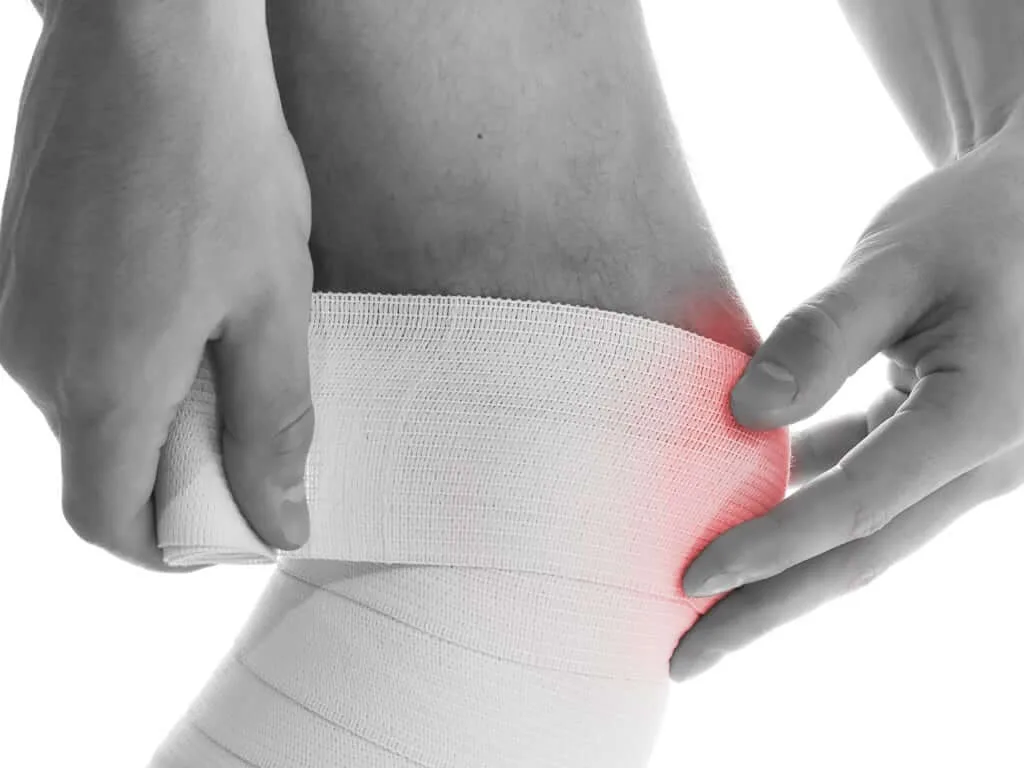
Hip pain can arise from a number of structures and is not always felt directly in the hip. Common presentations include:
- Adductor tendinopathy and groin strain
- Femoral acetabular impingement (FAI)
- Buttock pain and referred pain from the lumbar spine
- Trochanteric bursitis (outer hip pain)
- Hip arthritis
Treatment involves a combination of massage, shockwave therapy, dry needling, rehabilitation exercises, and where needed, injection therapy.
The bony point at the side of the body that many people think of as the hip joint is actually the trochanter, the attachment point for several of the muscles acting on the hip, and pain there is usually from inflamed tendons, muscle trigger points or bursitis rather than the joint itself. True hip joint pain is usually felt in the groin. Clinical tests such as the hip quadrant test, and scans where required, help identify whether the cause is early arthritis or an issue such as a hip labrum tear associated with FAI. Depending on the diagnosis, treatment can range from manual therapy to referral for surgery.
Knee Pain
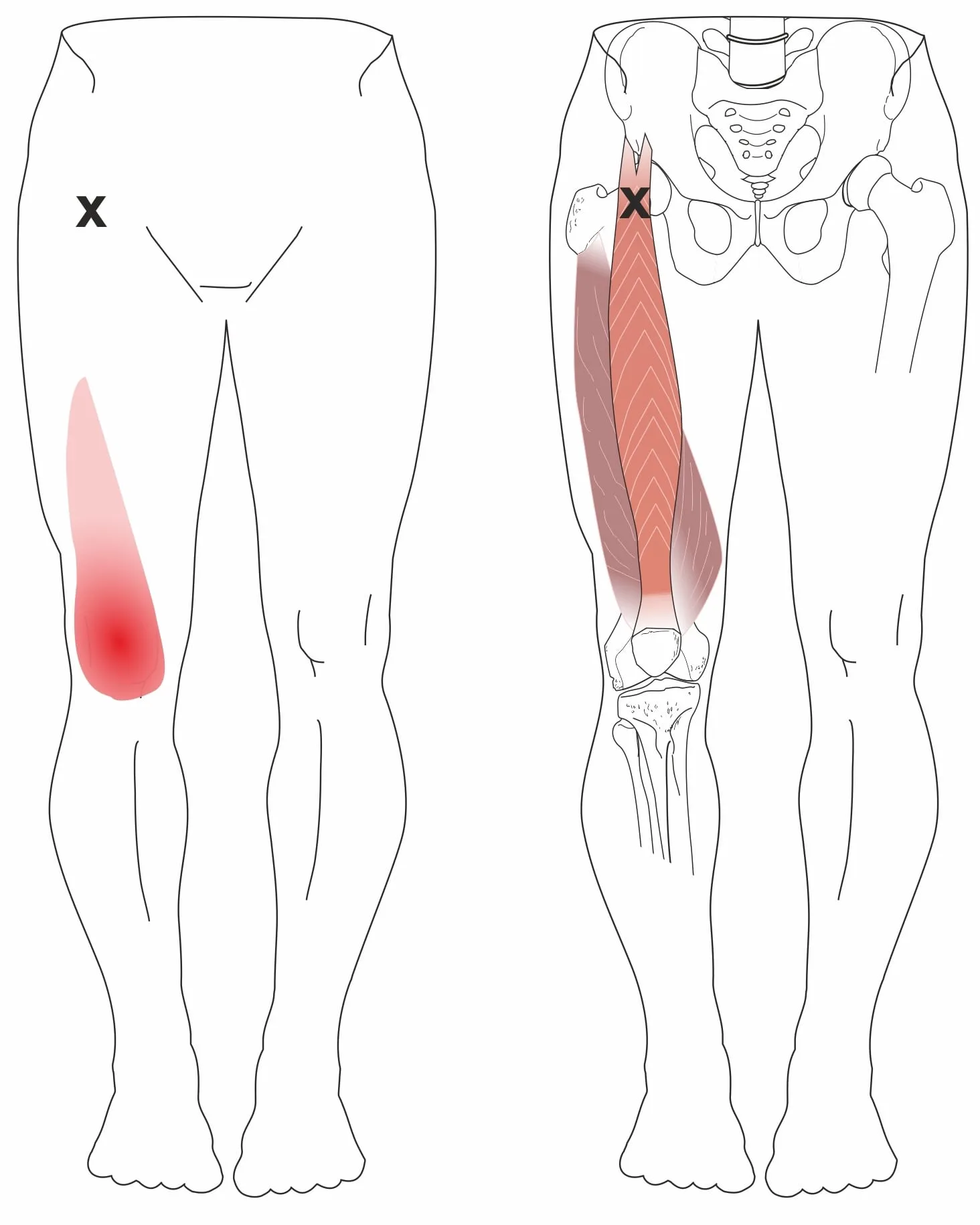
Knee pain is very common and often linked to issues elsewhere in the kinetic chain. Poor foot mechanics or hip weakness can alter the way forces pass through the knee, contributing to pain. We assess the whole lower limb, not just the knee itself.
Conditions we treat include:
- Cartilage damage (meniscus tears)
- Patellofemoral pain syndrome (runner's knee)
- Patellar tendinopathy (jumper's knee)
- Knee osteoarthritis
- Ligament injuries
- Bursitis
Treatment includes manual therapy, acupuncture, shockwave therapy and individually tailored rehabilitation. We also offer gait scanning to evaluate lower limb biomechanics.
The location of the problem is a useful clue: obvious swelling is often associated with cartilage damage, pain at the sides of the knee often points to ligament sprains, and pain at the front of the knee often involves the patellar tendon or the kneecap's own cartilage.
Foot and Ankle Pain
Foot and ankle problems including ankle sprains, Achilles tendinopathy, and plantar fasciitis (heel pain) are common and often undertreated. Therapeutic ultrasound, taping, massage, shockwave therapy and rehabilitation exercises form the basis of our treatment approach. Custom orthotics are available following gait analysis where biomechanical correction would benefit recovery.
The foot has 26 individual bones plus numerous ligaments, muscles and tendons, a complex structure that also carries the whole weight of the body, and is normally very robust. The most common traumatic injury is a ligament sprain from a twisted ankle; most heal on their own, but the right treatment speeds recovery and helps prevent re-injury.
Book a joint pain assessment at Spine Plus. Call 020 8506 1000 or book online.
Book Now