














Acupressure Massage Treatment
Specialist acupressure and trigger point therapy in London and Essex
Acupressure at Spine Plus
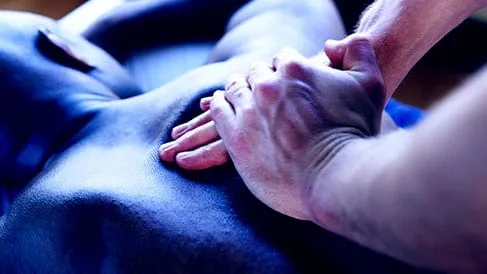
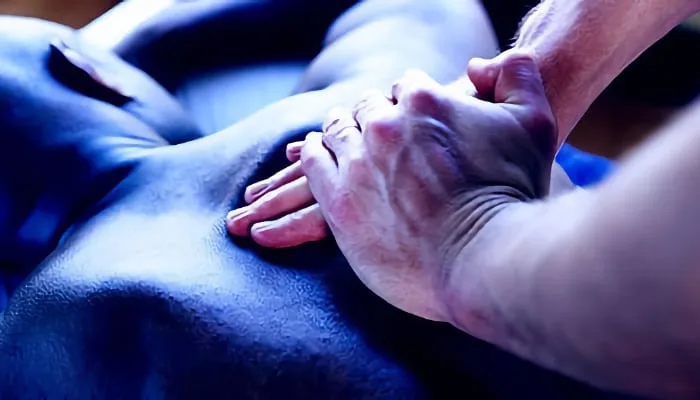
Acupressure massage uses sustained manual pressure applied to specific points in the body to release tension, improve circulation and relieve pain. At Spine Plus, acupressure forms part of our broader approach to soft tissue therapy, and is often combined with trigger point dry needling (medical acupuncture), deep tissue massage and other manual therapy techniques.
One of the distinguishing features of our clinical team is that all our osteopaths and physiotherapists are trained in acupressure and trigger point therapy, meaning these techniques are available as part of any appointment, not just dedicated massage sessions.
Trigger Point Therapy
Trigger points are discrete areas of muscular tension that produce local and referred pain. A very common location is the muscle at the top of the shoulder (upper trapezius), which typically causes referred pain to the head and neck. Acupressure techniques applied to trigger points can produce immediate reduction in pain and muscle tension.
Trigger point therapy works through:
- Promoting blood flow to the affected area
- Reducing spontaneous electrical activity within the trigger point
- Stimulating tissue repair and recovery
- Interrupting pain signalling pathways
Conditions Treated
- Tension headaches and cervicogenic headaches
- Neck pain and upper trapezius tightness
- Shoulder pain and restricted range of motion
- Myofascial pain syndrome
- Lower back pain with associated muscle guarding
- Jaw (TMJ) pain
- Referred pain from trigger points
- Repetitive strain injuries (RSI)
- Occupational muscle pain
Acupressure vs Acupuncture
Acupressure and acupuncture work on similar principles: both target specific therapeutic points to influence pain, circulation and tissue health. The key difference is that acupressure uses manual pressure rather than needles, making it suitable for patients who prefer a needle-free approach. Both techniques are available at Spine Plus, and your clinician can advise which is most appropriate for your condition.
Trigger Point Dry Needling
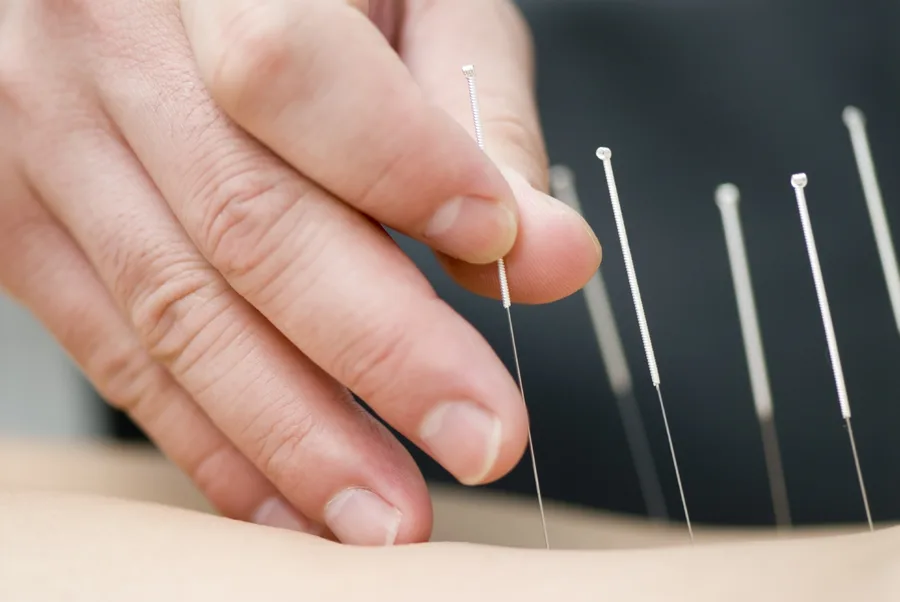
Trigger point dry needling is another needle-based technique used at Spine Plus alongside acupressure, and clinicians may recommend it where manual pressure alone has not fully resolved a trigger point.
Alternatives to Dry Needling: Trigger Point Injections
Some pain doctors use injections to relieve trigger points, using a hypodermic needle to inject medications such as local anaesthetic, cortico-steroid or Botox. Complications can occur due to the drugs used, and as well as being relatively expensive there is often a limit on how many times these procedures can be used. Research studies have found that people improve when needles are inserted into trigger points, no matter what substance is injected, or even if nothing is injected at all (dry needling), so it is often the effect of the needle itself that helps, not the medication.
How Does Trigger Point Dry Needling Work?
Dry needling works by promoting blood flow, reducing the spontaneous electrical activity within trigger points, and stimulating the body to release growth factors that promote healing. It offers several advantages over injections: no medication is involved, so there are fewer side effects, and it is a lot cheaper to perform.
How Often Is Dry Needling Needed?
At Spine Plus we treat trigger points as part of a complete therapy programme that combines dry needling, specialised trigger point massage, rehabilitation exercise and other physical therapy. Dry needling can be performed once or twice a week initially, before intervals are extended; a typical course takes 4 to 12 sessions. In the case of stubborn trigger points that do not fully respond to dry needling, we then refer for injections.
Dry Needling versus Traditional Acupuncture
Trigger point dry needling is sometimes referred to as medical acupuncture, but it is quite different from traditional acupuncture. With dry needling there is no intention of affecting energy meridians; it is based on modern science and knowledge of anatomy and physiology.
What Does Dry Needling Feel Like?
You may feel nothing at all when the needle is first inserted. When the needle contacts the trigger point it should cause a twitch response, a small contraction of the muscle. It may just be a mild twitch, or it may feel like a "cramping" of the muscle. You might also experience referred pain in a distant area of your body, which is a good sign: it means an active trigger point causing some of your symptoms has been found. The stronger the twitch response, the better the improvement tends to be afterwards. The area may feel mildly bruised for a day or so, and it can take up to 48 hours to feel the full improvement.
Is Needling Safe?
Dry needling is a safe procedure, though there are some potential risks, and every precaution is taken to minimise them. The most serious complication that could occur is a puncture of the lung when needling around the chest wall (thorax). If this happened, it may only require a chest x-ray and no further treatment, though symptoms of shortness of breath may last for several days or weeks; a more severe lung puncture may require hospitalisation and re-inflation of the lung. The risk of a lung puncture is very low and, in skilled hands, should not be a concern, but you should be aware of this risk before consenting to treatment.
Other possible complications include bruising, which occasionally occurs but should not be a concern unless you are taking a blood thinner. The needles used are all sterile, single-use needles, so the risk of infection is negligible, and unlike syringe needles they are very small with no cutting edge, so the likelihood of any significant tissue trauma is very small.
What to Expect
Acupressure may be delivered as a standalone treatment or combined with other massage and manual therapy techniques within a single session. You may feel a brief period of discomfort or a characteristic dull aching sensation when the trigger point is compressed, followed by a release and reduction in pain. Most patients find the sensation manageable and the results worthwhile.
Book Now