









Ankle and Achilles Pain Treatment Programme
Specialist treatment for Achilles tendinopathy, ankle sprains and ankle pain in Woodford and Chigwell
Available at our Woodford, Chigwell, Gidea Park & Bow clinics. Find your nearest
Book Now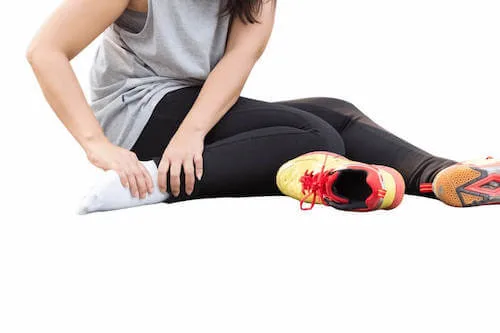
Ankle and Achilles problems can be persistent and frustrating, particularly when they have not responded adequately to standard physiotherapy or rest. Our structured six-step programme combines thorough biomechanical assessment with evidence-based treatments including shockwave therapy, laser, manual therapy and custom orthotics to deliver lasting results.
Conditions This Programme Treats
- Achilles tendinopathy (mid-portion and insertional)
- Achilles tendon thickening or chronic inflammation
- Ankle sprains (acute and recurring)
- Ankle instability and persistent ankle pain
- Peroneal tendinopathy
- Posterior tibial tendon problems
Is This Programme Right For You?
This programme may be the solution for you if:
- You are struggling with ongoing pain in your heel or the sole of your foot.
- Your pain is worse first thing in the morning and is slowing you down.
- You are avoiding getting out and about for walks and just want to get back to normal.
- You have been told to have an injection and would like to avoid this.
- You are worried that your pain isn't getting better and it's getting you down.
- You have tried other treatments but the pain came back again.
The Six-Step Treatment Programme
Comprehensive Assessment
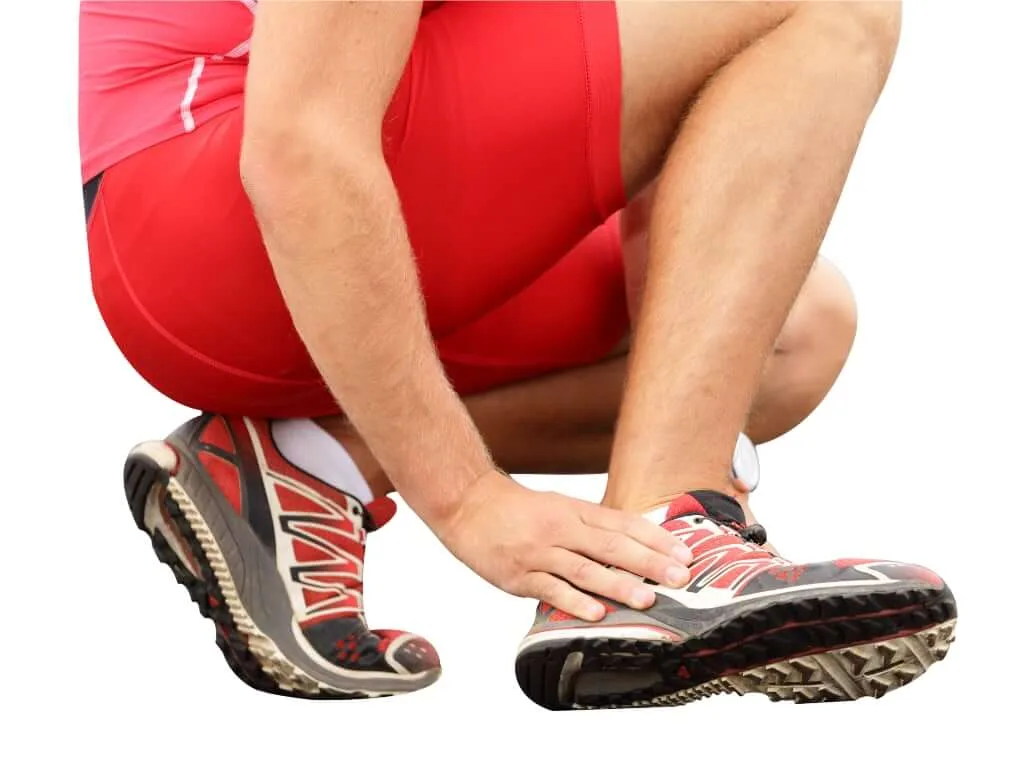
Your assessment evaluates foot and ankle range of movement, joint alignment, muscle strength, and walking biomechanics. Understanding how the whole lower limb moves and loads is essential for identifying what is driving the ankle or Achilles problem. Biomechanical factors at the foot, lower leg, knee and hip may all contribute to tendon overload.
Where Achilles tendinopathy is longstanding or resistant to previous treatment, we may recommend ultrasound imaging to assess the degree of tendon degeneration and guide the treatment approach.
Laser and TECAR Therapy
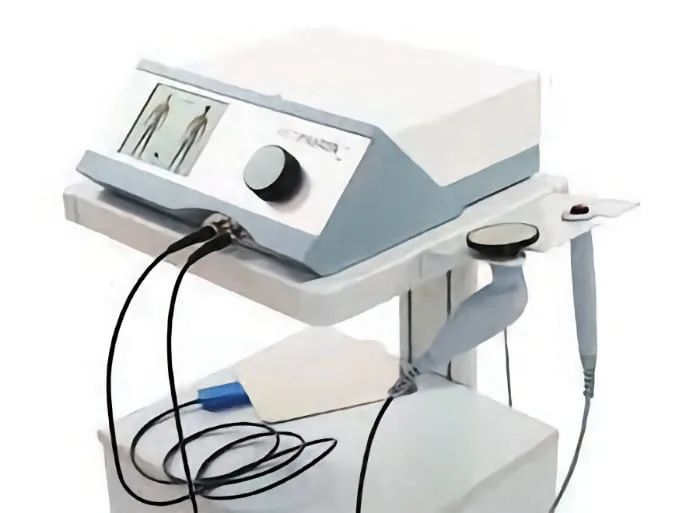
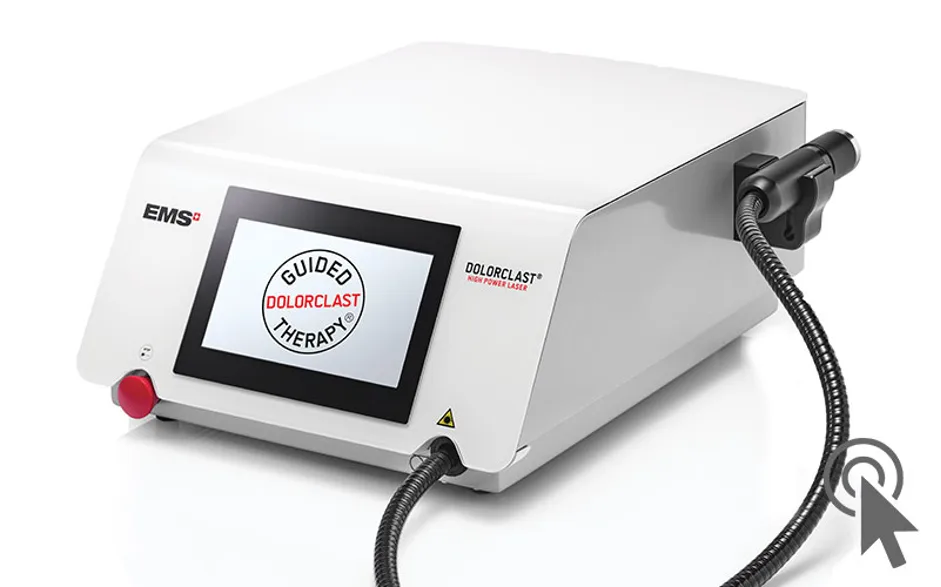
Class IV laser therapy and TECAR therapy both deliver targeted, deep therapeutic energy to the Achilles tendon and surrounding tissues. These modalities reduce acute pain and swelling quickly, promote cellular healing and prepare the tissue for subsequent loading-based rehabilitation. Laser therapy has been shown to reduce acute pain by up to 70% in some studies, making it particularly valuable in the early stages of treatment when pain is limiting activity.
Trigger Point Release
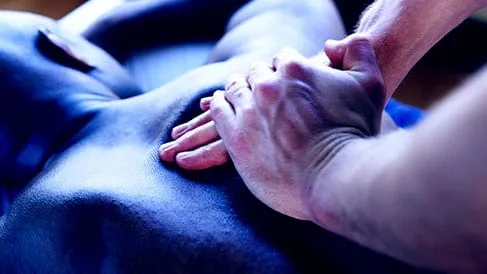
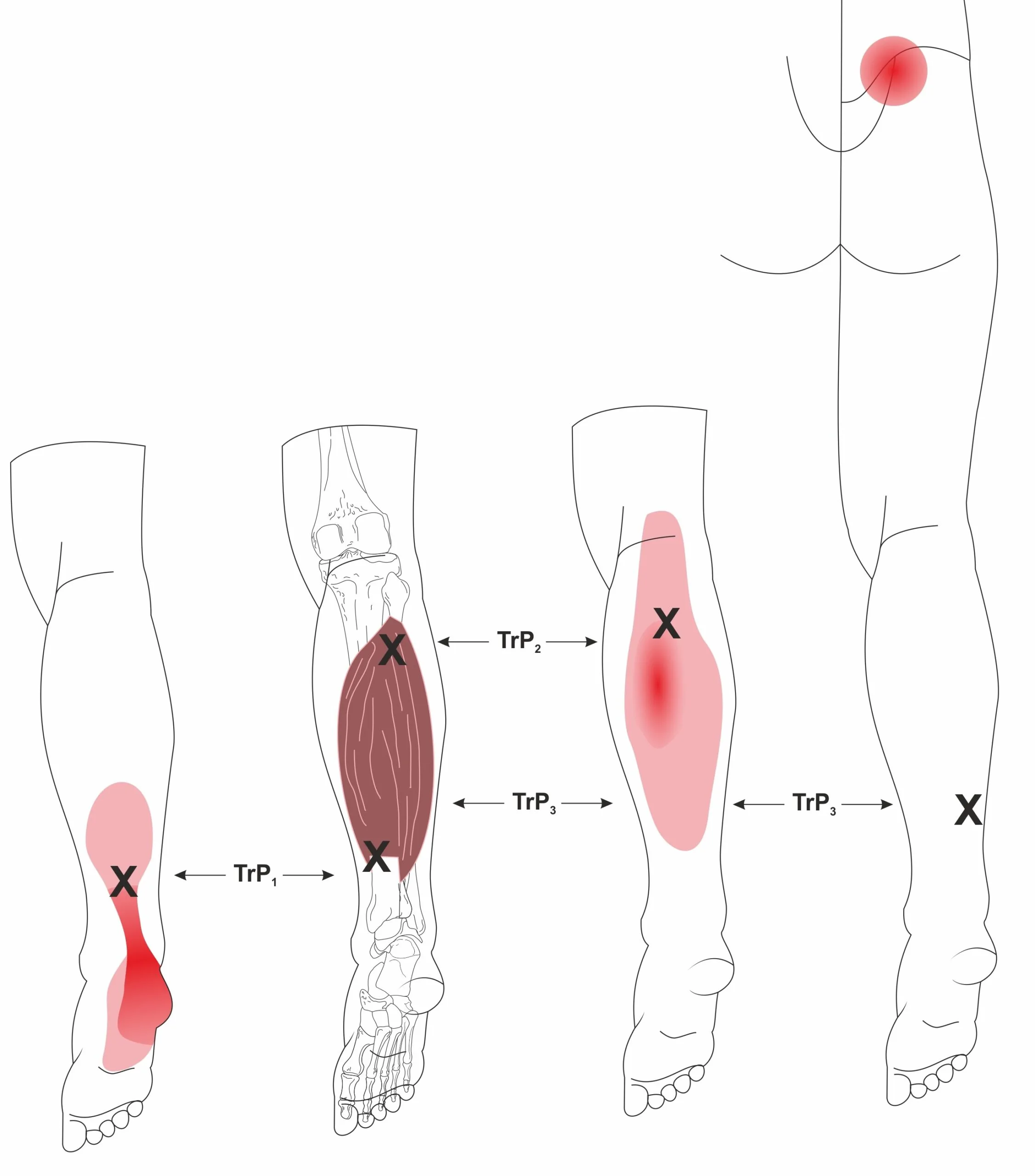
Tight calf muscles and trigger points in the gastrocnemius, soleus and deep lower leg muscles increase tension on the Achilles tendon and can cause referred pain to the heel and ankle. Deep soft tissue massage and trigger point dry needling (medical acupuncture) are used to release this muscular tightness, which immediately reduces the load on the tendon and allows more effective exercise rehabilitation.
Shockwave Therapy
Shockwave therapy is one of the most effective treatments available for Achilles tendinopathy. Both radial and focused shockwave options are available at Spine Plus. Shockwave promotes new blood vessel formation, stimulates collagen synthesis, reduces calcification within the tendon and desensitises pain nerve endings. Research shows excellent outcomes for both mid-portion and insertional Achilles tendinopathy.
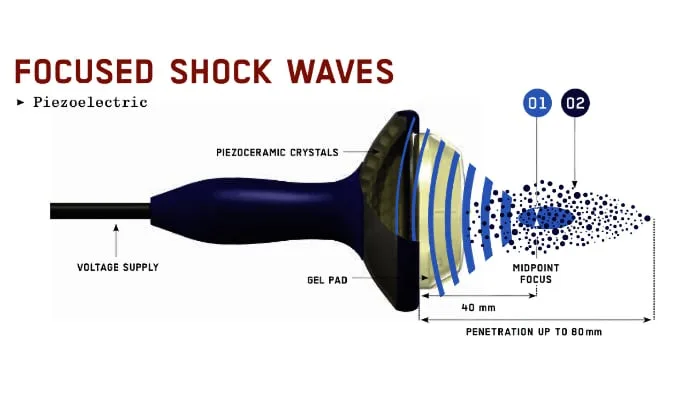
Focused shockwave can deliver greater energy at the precise depth of the affected tendon tissue with laser-like accuracy, which is particularly important for deeper insertional pathology.
Foot and Gait Scan with Custom Orthotics
Where biomechanical factors such as dropped arches, overpronation or joint misalignment are contributing to tendon overload, we use state-of-the-art foot scanning to measure foot pressures and gait patterns. Custom orthotics can then be prescribed to correct the mechanics that are placing excessive demand on the Achilles and ankle structures.
Bespoke Rehabilitation
A structured, progressive exercise programme forms the foundation of long-term Achilles tendon health. Evidence-based eccentric and heavy slow resistance loading protocols, combined with calf flexibility work and functional movement exercises, progressively restore tendon capacity and prepare you for return to sport or full activity. Exercises are introduced gently and progressed at a pace appropriate to your stage of healing.
How Long Will Treatment Take?
Tendon conditions respond over a longer timeframe than muscle or joint injuries, as tendons have relatively poor blood supply. A typical course of treatment is 6 to 12 sessions over 8 to 16 weeks. Shockwave therapy typically produces noticeable improvement within 3 to 5 sessions. Most patients see significant improvement by 8 to 12 weeks with the right treatment and loading programme.
Why Choose Spine Plus for Shockwave Therapy
We're one of the few clinics in the UK offering both Focused and Radial shockwave therapy. While most UK clinics rely on Radial Pressure Wave technology alone, we also offer Focused Shockwave, around a hundred times more powerful, penetrating deeper with far greater precision.
Frequently Asked Questions
Will my first appointment include treatment?
While it's important to start with a detailed case history and clinical examination, we will most certainly start your course of shockwave therapy at your first appointment. The only exception is if the assessment reveals a contraindication to shockwave therapy, in which case you'll only be charged the consultation fee or offered an alternative form of treatment.
Do I need a referral letter from my GP or consultant?
No. While it's useful to have, it isn't necessary if you're a self-pay client, most of our self-pay clients seeking treatment for musculoskeletal pain simply book in directly.
How frequent are the treatments you recommend?
We generally recommend one treatment per week, or at most once every 5 days.
Will you try and sign me up to lengthy and expensive courses of treatment?
No. The beauty of focused shockwave therapy is that it delivers quick results, most problems respond within 6 sessions or less. We offer discounts on pre-booked blocks of sessions, but there's no high-pressure sales involved, just honest advice on making treatment as economical as possible.
What happens during my appointments?
You'll be greeted in reception and taken through to the treatment room. Your first appointment includes a medical case history; subsequent appointments start with a brief progress report. A water-based conduction gel is applied to the treatment area, and shock waves are delivered using a hand-held probe, held still or moved gently over the area depending on what's being treated. The pressure and frequency can be varied according to your comfort and tolerance, with focused shockwave, an effective dose can usually be delivered with minimal discomfort.
How does focused shockwave therapy work?
Unlike radial shockwaves, which use mechanical pressure waves, focused shockwaves are generated electromagnetically via a cylindrical coil creating opposing magnetic fields. Shock wave energy was originally used from 1980 to disintegrate kidney stones; in modern pain therapy, it's applied to painful and injured areas to promote healing, supercharging the body's metabolic healing response and stimulating neovascularisation (the formation of new blood vessels), which improves blood flow and speeds quality healing.
Is focused shockwave therapy safe?
The treatment is swift, non-invasive and meets the safety standards set by the National Institute for Health and Care Excellence (NICE). It doesn't require anaesthesia, and there are no restrictions on the day of treatment.
Persistent ankle or Achilles pain? Call 020 8506 1000 or book online. Open Mon–Fri 8am–8pm, Saturdays 9am–5pm.
Book Now