








Heel Pain and Plantar Fasciitis Treatment Programme
Specialist treatment for stubborn heel pain using shockwave therapy, laser and custom orthotics
Available at our Woodford, Chigwell, Gidea Park & Bow clinics. Find your nearest
Book Now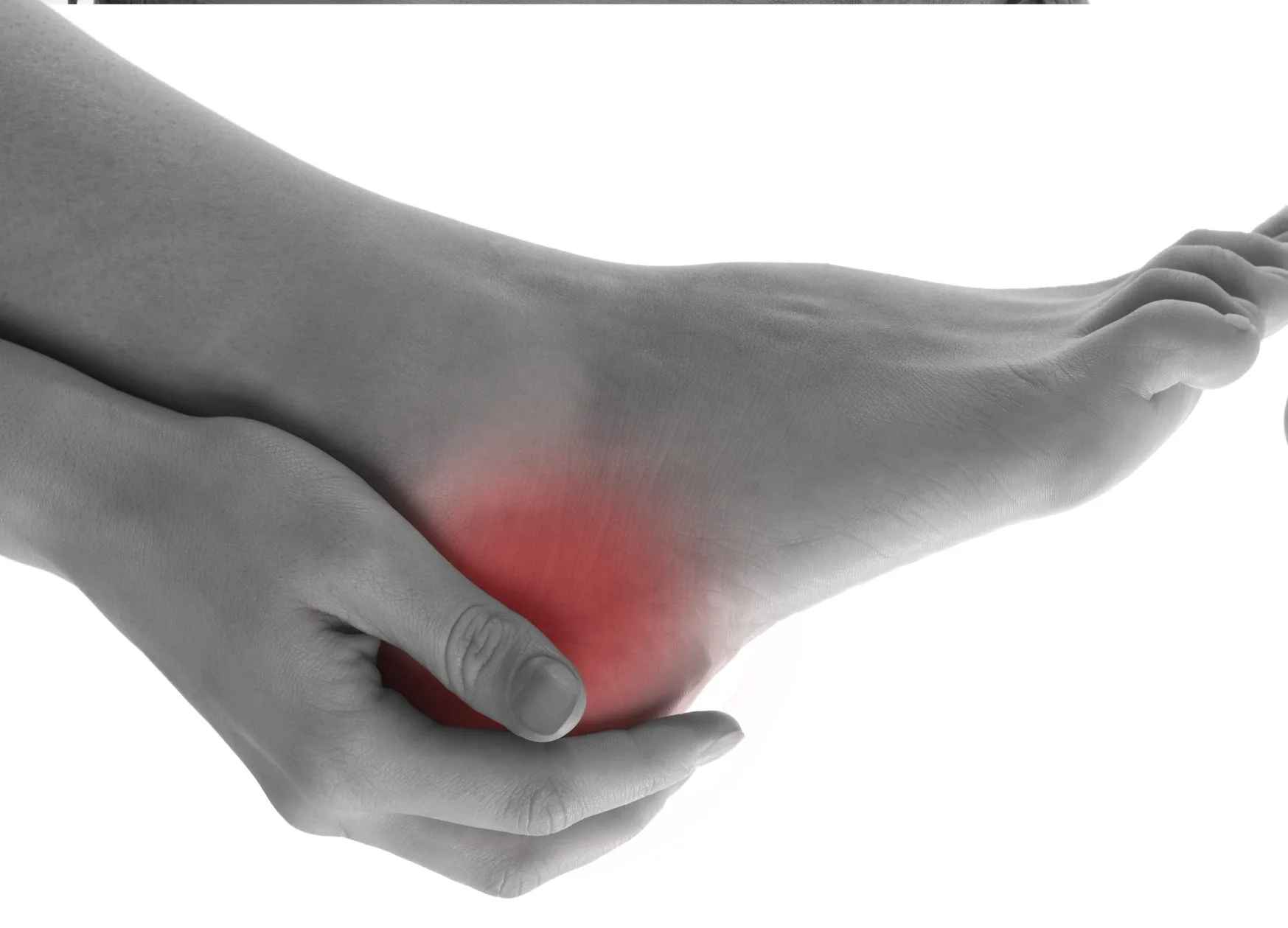
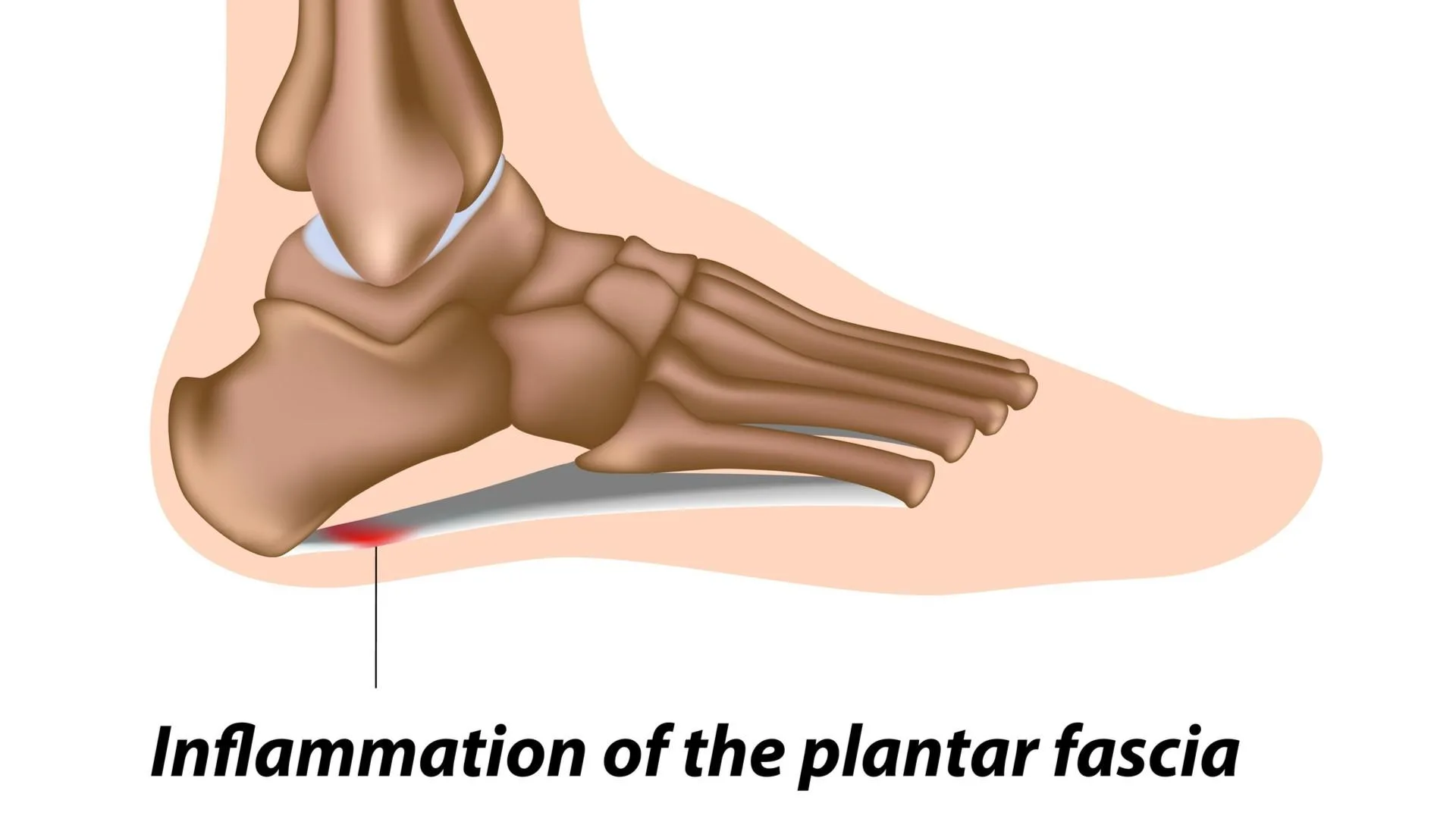
Plantar fasciitis is the most common cause of heel pain, affecting around 1 in 10 people at some point in their lives. It causes pain under the heel, typically worst with first steps in the morning or after periods of rest. A heel spur may be visible on X-ray at the attachment point of the plantar fascia, though the spur itself is not always the pain source.
Plantar fasciitis can be very stubborn without the right treatment. Our six-step programme uses a combination of laser, shockwave therapy, manual therapy, gait analysis and custom orthotics to address both the immediate pain and the underlying biomechanical drivers of the condition.
Who This Programme Is For
This programme is suitable if you have:
- Heel pain under or around the heel bone
- Heel pain that is worst in the morning or after rest
- A diagnosed plantar fasciitis or heel spur
- Heel pain that has not resolved with rest, stretching or standard physiotherapy
- Chronic heel pain lasting more than 3 months
- You've been told to have an injection and would like to avoid this
- You've tried other treatments before but the pain came back again
The Six-Step Treatment Programme

Comprehensive Examination
The programme begins with a thorough assessment of your foot and ankle range of movement, joint alignment, walking mechanics, calf muscle tightness and lower limb biomechanics. Understanding the full picture, including the way your foot pronates, your arch profile, and how forces travel through the lower limb during walking and running, is essential for identifying the specific drivers of your heel pain and selecting the most appropriate treatment.
Laser Therapy
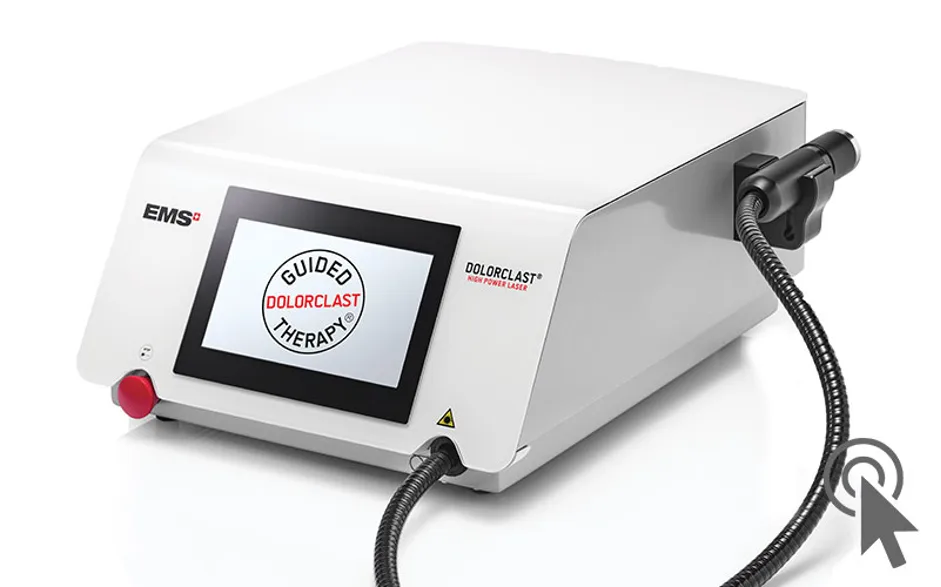
Class IV laser therapy and TECAR therapy provide targeted treatment to reduce acute pain and swelling. Laser energy promotes cellular healing within the plantar fascia, stimulates collagen repair and reduces inflammatory mediators. Many patients experience noticeable pain reduction within the first 2 to 3 sessions. These modalities prepare the tissue for subsequent loading with shockwave therapy and exercise.
Trigger Point Release
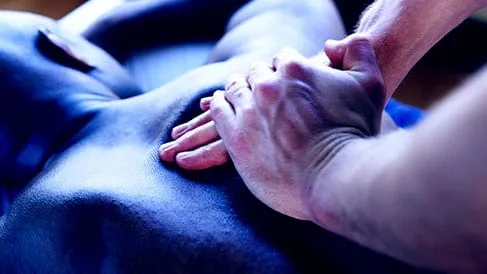
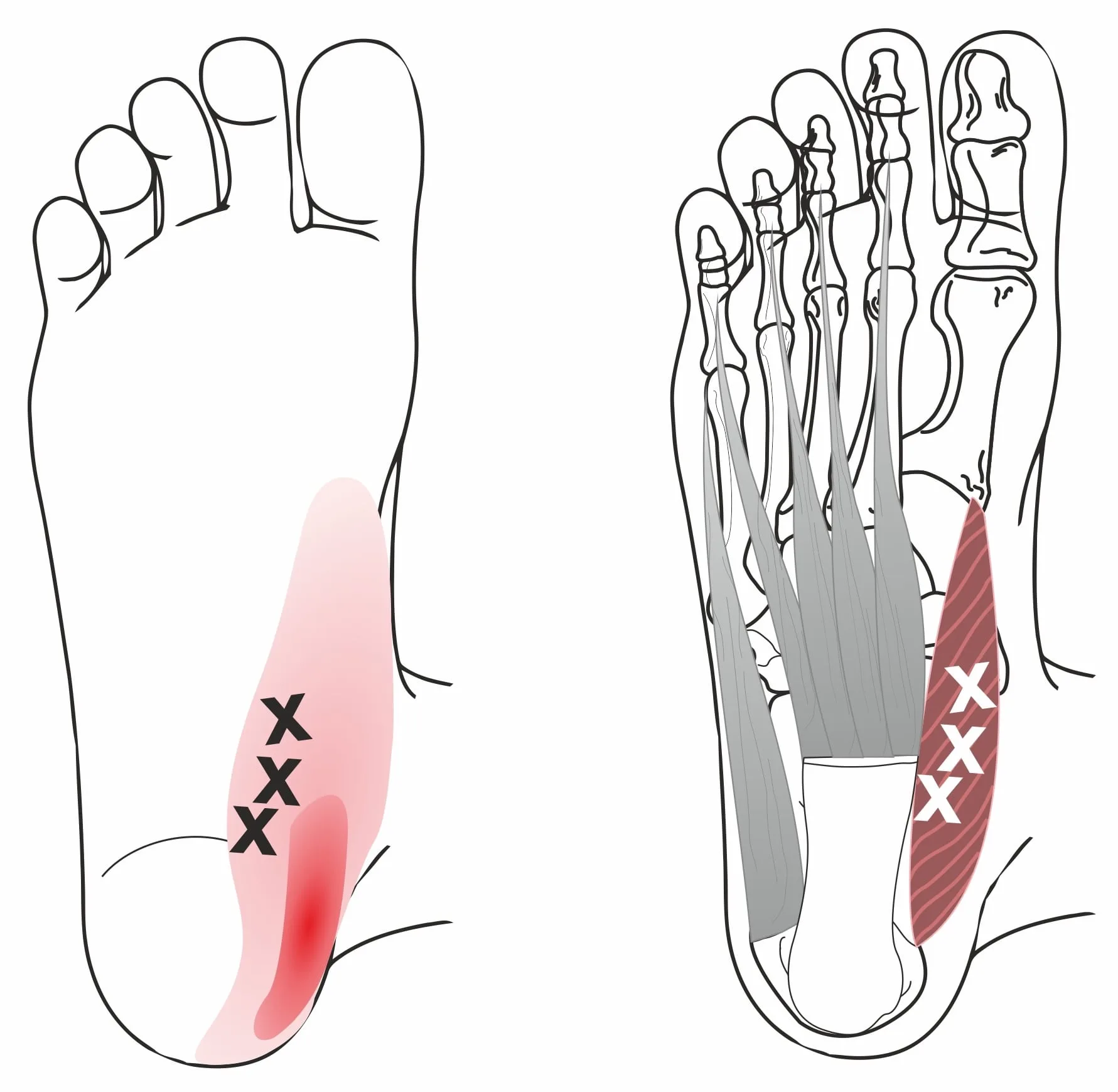
Tight calf muscles, particularly the gastrocnemius and soleus, and trigger points in the intrinsic foot muscles place significant load on the plantar fascia. Deep soft tissue massage or trigger point dry needling (medical acupuncture) is used to release this muscular tension. Releasing calf tightness in particular can produce an immediate improvement in heel pain and reduces the tension at the plantar fascia insertion.
Shockwave Therapy
Shockwave therapy is one of the most evidence-based treatments for plantar fasciitis and heel pain. It promotes the formation of new blood vessels, stimulates collagen synthesis, remodels scar tissue at the fascia insertion and reduces pain from sensitised nerve endings. Research consistently shows success rates of 60 to 80% for plantar fasciitis with shockwave therapy, even in cases that have not responded to other treatment.
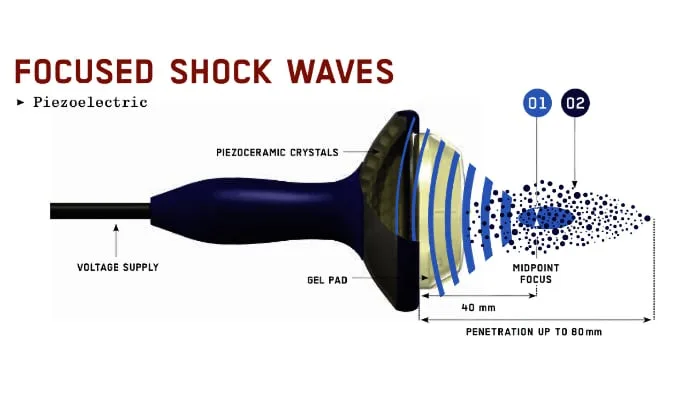
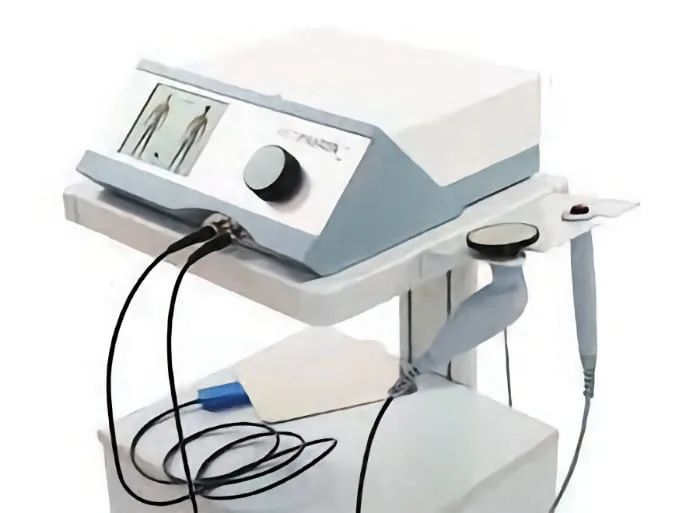
We offer both radial and focused shockwave therapy. Focused shockwave delivers greater energy at the precise depth of the fascial insertion with pinpoint accuracy, making it particularly effective for insertional heel pain.
Foot and Gait Scan with Custom Orthotics
Biomechanical factors such as dropped arches (overpronation), high arches, leg length discrepancy and altered gait patterns are common contributors to plantar fasciitis. We use a state-of-the-art pressure scan to measure exactly how your foot loads during walking. Where biomechanical correction would benefit your recovery, we can prescribe custom orthotics to redistribute load away from the painful tissue and prevent recurrence.
Bespoke Rehabilitation
A progressive stretching and strengthening programme is introduced gently and built up over the course of treatment. Evidence-based plantar fascia stretching, calf strengthening and foot intrinsic muscle exercises reduce recurrence risk and restore normal tissue capacity. You will receive a clear home exercise programme from your first appointment, adapted as you progress through treatment.
How Long Will Treatment Take?
Most patients with plantar fasciitis see significant improvement within 4 to 8 sessions of the combined programme. Shockwave therapy typically produces noticeable results within 3 to 5 sessions. Chronic cases that have been present for more than a year may require a longer course. Unlike rest alone, which rarely resolves plantar fasciitis without addressing the underlying cause, our approach targets the condition directly and achieves lasting results for the majority of patients.
Frequently Asked Questions
Do I need a referral letter from my GP or consultant?
No, a referral is a nice to have but not necessary if you're a self-pay client. The vast majority of our self-pay clients seeking treatment for musculoskeletal pain simply ring up and book in themselves.
How frequent are the treatments you recommend?
For most patients we recommend one treatment per week, or at most once every 5 days.
Will you try and sign me up to lengthy and expensive courses of treatment?
No. The beauty of focused shockwave therapy in particular is that it delivers quick results, most problems respond to 6 sessions or less. We offer discounts on pre-booked blocks of sessions, but there's no high-pressure sales, just honest advice on making treatment as economical as possible.
What happens during my appointments?
You'll be greeted in reception and taken through to the treatment room. At your first appointment we'll take a medical case history; for follow-up appointments you'll give a brief progress report since your last visit. A water-based conduction gel is applied to the area being treated, then the shockwaves are delivered using a hand-held probe, either held still or moved gently over the area depending on your condition. Pressure and frequency are varied according to your comfort, with focused shockwave, an effective dose can usually be delivered with minimal discomfort.
How does focused shockwave therapy work?
Unlike radial shockwaves, which use mechanical pressure waves, focused shockwaves are generated electromagnetically via a cylindrical coil that creates opposing magnetic fields when current is applied. Shockwaves were originally used in medicine, from 1980, to break up kidney stones; in modern pain therapy, shockwave energy is applied to painful, injured areas to promote healing. The waves supercharge the body's metabolic healing response and stimulate neovascularisation, the formation of new blood vessels and repair of damaged ones, so improved blood flow means faster, better-quality healing.
Is focused shockwave therapy safe?
Yes. Treatment is swift, non-invasive and highly efficient, meeting the safety standards set by the National Institute for Health and Care Excellence (NICE), the authoritative body for NHS best practice. It doesn't require anaesthesia and there are no restrictions on activity on the day of treatment.
Looking for Heel Pain and Plantar Fasciitis Treatment Near East London or Essex?
Serving the local communities of Woodford Green, Theydon Bois, Buckhurst Hill, Waltham Cross, North Chingford, Ivy Chimneys, Coopersale, High Beech, Barkingside, North Weald, Waltham Abbey, Chingford, Woodford, Woodford Bridge, Loughton, Ilford, Wanstead, Chigwell Row, Chadwell Heath, Walthamstow, Clayhall, South Woodford, Redbridge, Gants Hill, Snaresbrook, Leytonstone, Whipps Cross, Grange Hill and Abridge.
Suffering with heel pain? Call 020 8506 1000 or book online. Open Mon–Fri 8am–8pm, Saturdays 9am–5pm. Free on-site parking.
Book NowWhy Choose Us For Your Heel Pain Treatment
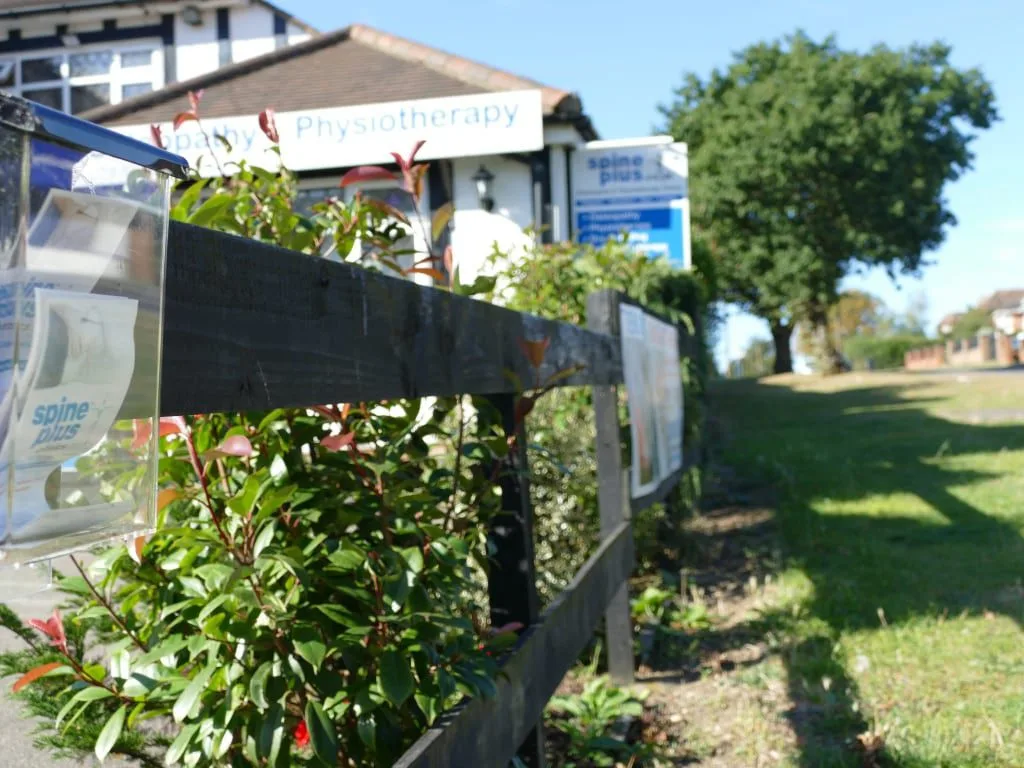
Long Established Family Run Local Business
Established in 2000, our highly experienced and knowledgeable team have great relationships with GPs and specialists in the local and London area.
Convenient Opening Hours Including Late Evening & Saturdays
We understand how busy life can be trying to schedule appointments around work and family commitments, so we offer a range of times.
Free Parking On Site, Close to Tube / Train Stations & Bus Stops
Our clinics are a short distance from Underground and train stations or local bus stops, and all have customer parking on site.