
















Medical Acupuncture / Trigger Point Dry Needling
Specialist acupuncture and acupressure for myofascial pain and trigger points
Trigger Point Dry Needling at Spine Plus
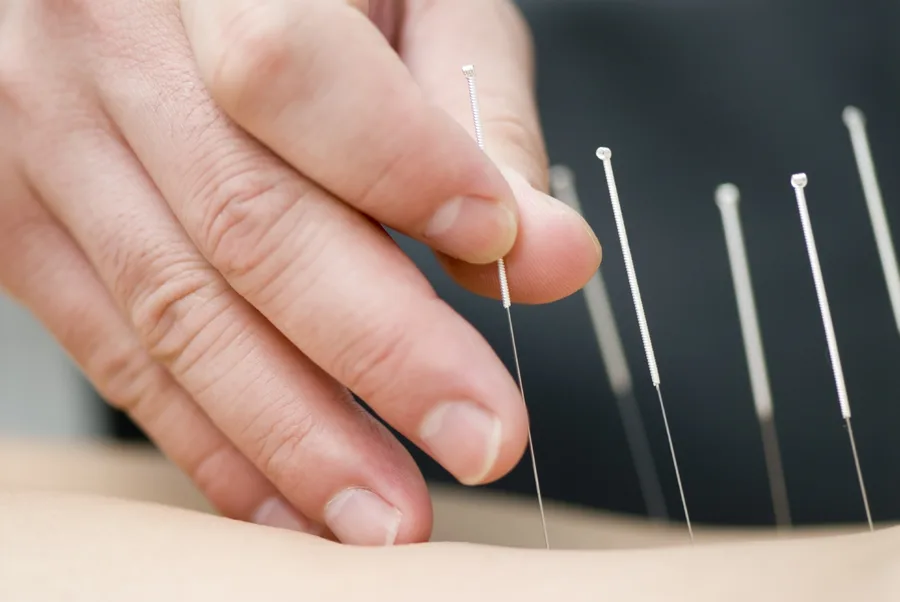
Trigger point dry needling (medical acupuncture) is a clinically proven technique for treating myofascial pain. At Spine Plus, it is delivered by our qualified osteopaths and physiotherapists as an integrated part of musculoskeletal treatment. All our therapists hold postgraduate qualifications in medical acupuncture, ensuring a high standard of safe, effective care.
What Are Trigger Points?
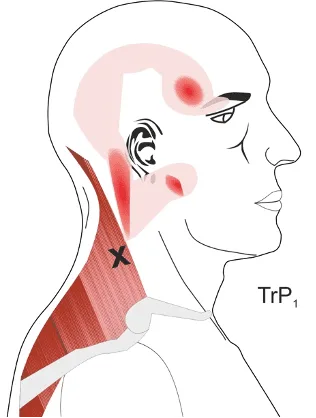
Trigger points are discrete, hyperirritatable nodules within taut bands of skeletal muscle. When compressed or needled, they produce both local tenderness and a characteristic pattern of referred pain. Common trigger point locations and their typical referred pain patterns include:
- Upper trapezius, referred pain to the head, neck and temple (tension headaches)
- Suboccipital muscles, referred pain over the skull and behind the eye
- Levator scapulae, referred pain at the neck angle and upper back
- Piriformis, referred pain down the buttock and leg, mimicking sciatica
- Iliopsoas, referred pain in the lower back and groin
- Thoracic paraspinals, referred pain around the ribs and chest
Depth matters as much as location. Trigger points in the deep gluteal muscles can refer pain that closely resembles, and often co-exists with, sciatica, and reaching those deep muscle knots usually needs acupuncture needles at least 70mm long. It is also why needling often succeeds where hands-on work cannot: massage that flicks or glides over the knots, without firm sustained contact on the trigger point itself, tends to irritate the over-sensitive nerve endings within them and can leave things worse than before.
What Causes Trigger Points?
Trigger points are usually caused by some sort of stress on the muscle. This can be a sudden overload from a traumatic injury such as a fall, a car accident or lifting something improperly, or it can build up over a long period from prolonged low-level tension in the muscle, often the result of poor posture, degenerative joints, or emotional or metabolic stress. Within a trigger point there is a continued release of certain neurotransmitters at the neuromuscular junction, plus ongoing low-level spontaneous electrical activity, which causes a self-sustaining contraction in that part of the muscle. Even consciously trying to relax or stretch the area won’t release the knot.
Do Medications or Massage Help?
Muscle relaxants, anti-inflammatory and pain-killing medication are sometimes prescribed, but these generally mask the pain without addressing the underlying trigger point, so they rarely provide a complete solution on their own. Massage and stretching can help too, but only specific, correctly-applied stretching and deep tissue techniques will actually deactivate a trigger point.
How Trigger Point Dry Needling Works
A fine acupuncture needle is inserted directly into the trigger point. This typically provokes a brief local twitch response, an involuntary contraction of the muscle fibre, which is associated with successful deactivation of the trigger point. The needling process:
- Promotes blood flow to the trigger point
- Reduces spontaneous electrical activity within the muscle
- Stimulates growth factor release to promote healing
- Interrupts pain signalling pathways
- Releases central sensitisation of the nervous system
Dry Needling vs Traditional Acupuncture
Trigger point dry needling is not the same as traditional Chinese acupuncture. Traditional acupuncture is based on restoring the flow of energy along meridians in the body. Dry needling has no such intention. It’s based on modern Western science and our knowledge of anatomy and physiology.
Dry Needling vs Trigger Point Injections
Some hospital pain management doctors use trigger point injections, a hypodermic needle delivering a medication such as local anaesthetic, corticosteroid or Botox into the point. Dry needling injects no substance at all. Research has found that people improve when a needle is inserted into a trigger point regardless of what, if anything, is injected, suggesting it’s often the effect of the needle itself that helps. Because no medication is involved, dry needling is cheaper to perform, and because several taut muscle fibres within one trigger point can be released with a single needle re-applied at slightly different angles, it can release more tension than a fixed-point injection.
Acupressure
For patients who prefer not to have needles, acupressure uses sustained manual pressure rather than needles to achieve a similar therapeutic effect. Our therapists are trained in both dry needling and acupressure, and will recommend the most appropriate approach based on your preferences and clinical presentation.
Conditions Treated
- Tension headaches and cervicogenic headaches
- Neck pain and restricted movement
- Shoulder pain and rotator cuff problems
- Lower back pain and muscle spasm
- Myofascial pain syndrome
- Repetitive strain injuries (RSI)
- Tennis and golfer’s elbow
- Hip and gluteal pain
- Rehabilitation following orthopaedic surgery
What to Expect
Medical acupuncture is typically incorporated into a standard osteopathy or physiotherapy appointment. The needles are extremely fine and most patients report minimal discomfort. You may notice a brief aching or twitch response when a trigger point is engaged, followed by a significant release of tension. Sessions take 20 to 40 minutes and treatment is usually combined with manual therapy and rehabilitation advice.
How Many Sessions Will I Need?
This depends on how severe the problem is and how long it has been present. An acute problem that’s lasted a month or less can usually be resolved with one to three sessions. A problem that has been present for many months or years will typically need an initial course of 10 to 20 sessions to fully resolve. Occasional maintenance sessions may then be needed to stop old trigger points becoming active again.
Is Dry Needling Safe?
Dry needling is generally regarded as a safe procedure, though as with any needling technique there are some risks, which we take every precaution to minimise. The most serious possible complication is a puncture of the lung (pneumothorax); if this happened it would usually only require a chest x-ray, though a more severe puncture can require hospitalisation and re-inflation of the lung. This is a rare complication. Other risks include bruising (common, and only a concern if you’re taking a blood thinner) and a small risk of infection, although the needles are sterile and very fine, without a cutting edge. Our therapists’ detailed knowledge of anatomy is used to avoid major nerves and blood vessels.
Book Now