










Myotherapy
Advanced muscle therapy for pain, injury and movement disorders
What Is Myotherapy?

Myotherapy is a form of physical therapy that focuses specifically on the assessment, treatment and rehabilitation of musculoskeletal pain and dysfunction. The name is derived from the Greek word “myo” meaning muscle. Myotherapy takes an evidence-based approach to identifying the underlying causes of pain, using a broad range of hands-on techniques to address both the muscles and the structures that support them.
At Spine Plus, myotherapy is integrated into our multidisciplinary approach to musculoskeletal care, allowing our therapists to draw on techniques from osteopathy, physiotherapy and soft tissue therapy to deliver the most effective treatment for each patient.
Myotherapy Techniques
Our myotherapists use a range of evidence-based techniques including:
- Trigger point therapy, manual or needle-based deactivation of muscle knots
- Deep tissue massage, sustained pressure to release chronic muscle tension
- Myofascial release, gentle techniques targeting fascial restrictions
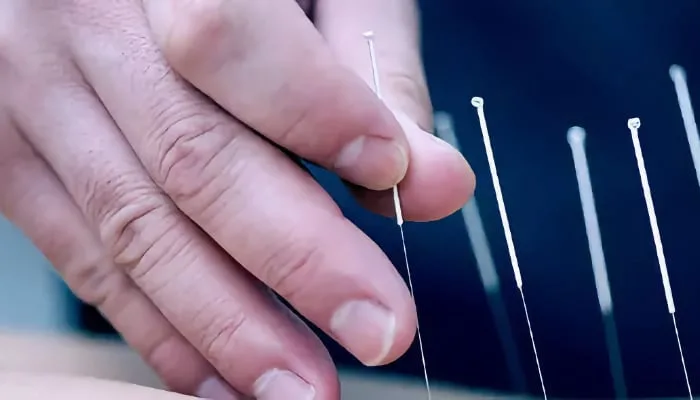
- Dry needling, acupuncture needle placement for trigger point release
- Muscle energy techniques, uses patient muscle contractions to improve joint range
- Passive and active stretching, restores muscle length and joint mobility
- Rehabilitative exercise, targeted exercises to correct muscle imbalances
Conditions Treated
- Chronic neck and back pain
- Myofascial pain syndrome
- Tension headaches arising from tight muscles
- Shoulder and rotator cuff conditions
- Hip and gluteal pain
- Sports injuries including muscle strains and tears
- ITB syndrome and runner’s knee
- Repetitive strain injuries
- Post-surgical soft tissue rehabilitation
- Jaw pain and TMJ dysfunction
Why Soft Tissue Injuries Need Specific Treatment
There is often an assumption that soft tissue injuries, whether from direct trauma or repetitive strain, will recover fully on their own. While muscle injuries often show a rapid initial rate of recovery, that recovery is often not complete. The result can be hyper-irritable taut bands and trigger points within the muscle, with the muscle and its surrounding fascia becoming shortened and fibrosed. Even after the original cause has been addressed, these tight, hyper-irritable areas can themselves become a perpetuating factor, limiting mobility, altering muscle patterning and causing referred pain.
Some pain experts estimate that 90% of the discomfort experienced during unremitting degenerative conditions, such as osteoarthritis, comes from myofascial tension and trigger point referred pain. Appropriate soft tissue treatment, alongside prescriptive corrective exercise, can serve as an alternative pain management strategy to long-term pain killers.
Trigger Point Dry Needling (Medical Acupuncture)
Needles are inserted into the hyper-irritable bands of muscle with the goal of eliciting a “twitch response” that signifies likely deactivation of the trigger point. This also improves blood flow, releasing chronic tension and referred pain from deep muscle bands that would be hard to reach with a hands-alone approach.
Trigger Point Massage
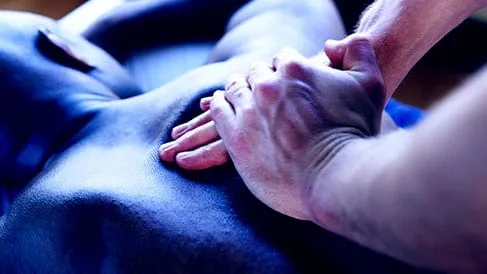
Short amplitude, slow, deep strokes applied at 90 degrees to the muscle fibre direction, with little or no oil, to release the tightest fibres, sometimes with the aid of massage tools to anchor and strip the muscle fibres more effectively.
Myofascial Massage
Gliding strokes, often using oil, to stretch the muscles and their surrounding casing (fascia) longitudinally.
At Spine Plus, all our osteopaths and physios receive in-house training in these approaches, often incorporating the techniques into physiotherapy sessions, or you can ask to be booked in specifically for a dedicated myotherapy treatment.
How Myotherapy Differs from Massage
While massage therapy focuses on general relaxation and muscle relief, myotherapy takes a more clinical approach. Your myotherapist will assess your posture, movement patterns and pain behaviour before designing a targeted treatment plan. The aim is not just to relieve immediate symptoms but to address the underlying causes and reduce the risk of recurrence.
What to Expect
Your first myotherapy appointment begins with a thorough assessment of your posture, movement, muscle strength and pain patterns. Treatment is then tailored to your specific findings. Sessions typically last 45 to 60 minutes and include a combination of hands-on therapy and rehabilitation advice. Most patients attend weekly for an initial course of 3 to 6 sessions.
Book Now