
















Spine Plus Blog
Spinal Instability
Published: 19 February 2015
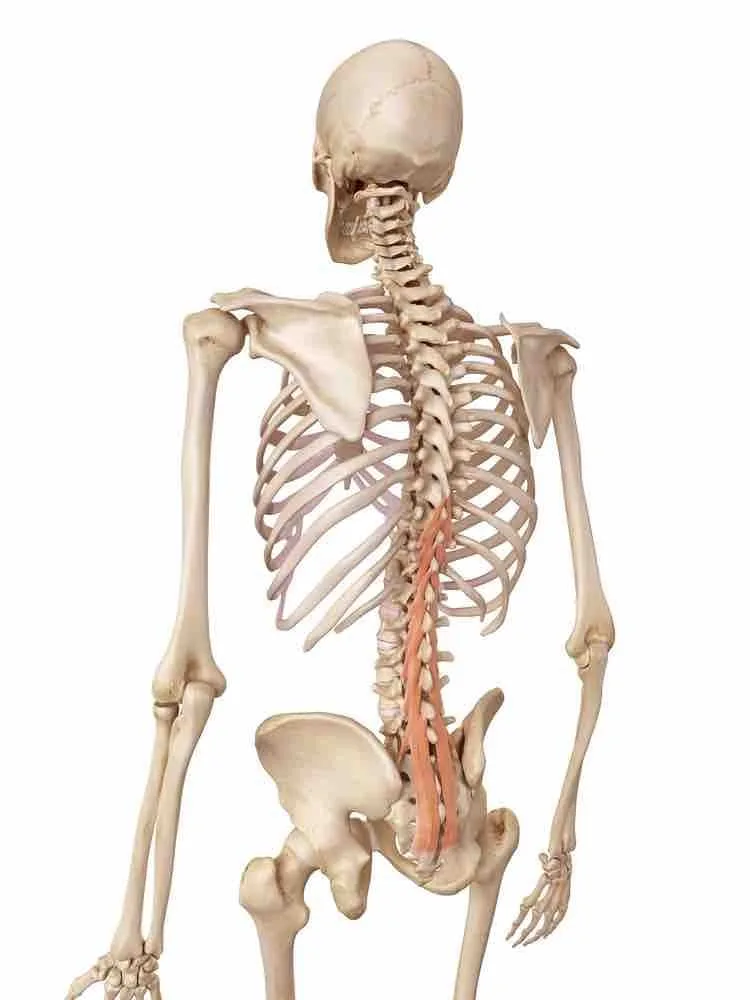
Spinal instability occurs when disc degeneration reduces disc height and tension, causing ligament laxity and core muscle inhibition. This leads to abnormal vertebral micro-movements that accelerate wear on discs and facet joints and can compress nerve roots.
The Degenerative Cascade
Loss of disc height allows anterior or posterior vertebral slippage during movement, straining facet joint capsules and causing arthritic changes with osteophyte growth. These osteophytes encroach on the spinal canal and nerve exits, irritating nerves. Repetitive facet joint surface displacement can cause joint capsule weakness, creating an outpouching that fills with fluid to form a facet joint cyst. These cysts can compress nerve roots if sufficiently enlarged.
How Instability Irritates the Nerve
The instability at a degenerate disc level can irritate the nerve root in several specific ways:
- The disc itself can distort the nerve if the nerve is tethered to it
- The superior foraminal ligament can impact into the nerve in the superior foramen
- The facet joint and associated osteophytes can impact into the nerve in the mid foramen
- A vertebral shoulder osteophyte can impact into the anterior surface of the nerve
- Reactive scarring can entrap the nerve and aggravate the irritation
Repeated displacement of the facet joint surfaces can also cause the joint capsule to thin and weaken, allowing the joint lining to form a fluid-filled facet joint cyst. In some patients these cysts fill via a narrow neck that acts as a one-way valve, and can compress the exiting or descending nerve roots if they become large enough.
Symptoms
Instability typically presents as back, buttock, and leg pain aggravated by postural change, rotation, vibration, or impact. Patients often experience sudden stabbing sensations when standing, weakness, and difficulty achieving or maintaining upright posture. The pain pattern is often position-dependent in a way that disc-only problems are not.
Treatment
Conservative approaches include:
- Core strengthening: targeting the transversus abdominis and multifidus muscles specifically
- Postural rehabilitation: retraining movement patterns to reduce instability stress
- Dry needling: addressing the muscle inhibition and trigger points associated with instability
- Manual therapy: treating the stiff segments above and below the unstable level
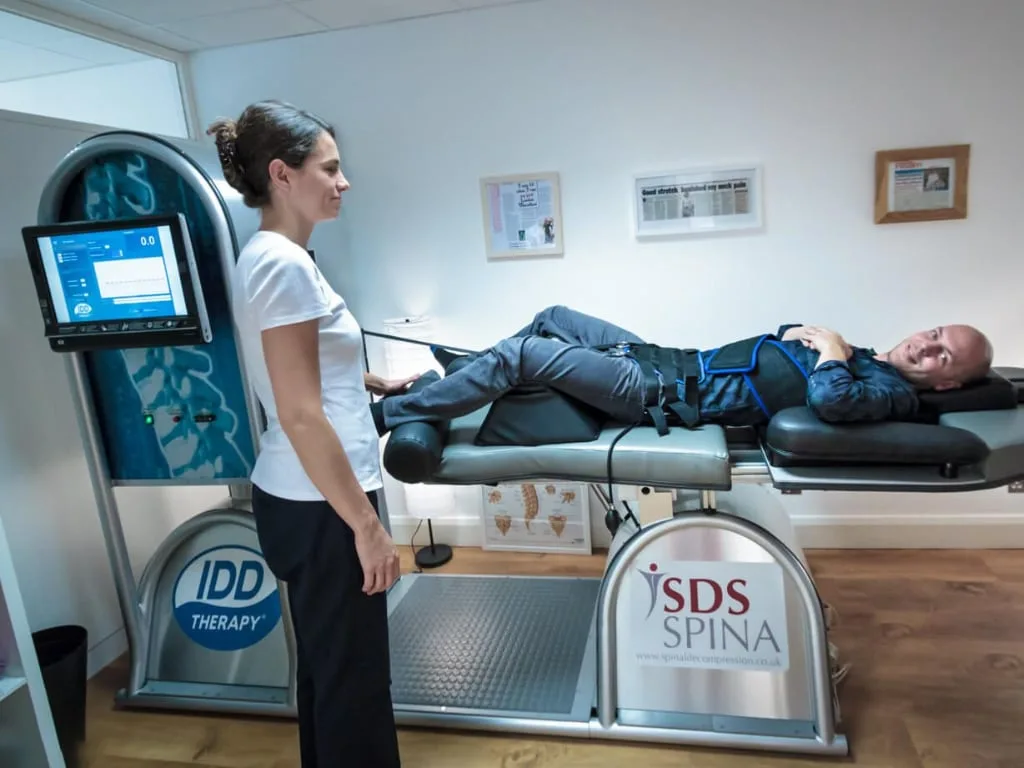
- IDD Therapy: may restore disc height and tension in cases with a significant disc component
Symptomatic facet cysts may require imaging-guided aspiration or injection. Therapeutic facet injections, including root blocks, can act as an adjunct treatment, creating a pain-free window during which core strengthening exercises may be more effective. Chronic cases unresponsive to conservative care may require spinal surgery, for example Anterior or Posterior Lumbar Interbody Fusion, Total Disc Replacement, or Transforaminal Endoscopic Minimally Invasive Spine Surgery.
Call us on 020 8506 1000 to discuss assessment and treatment for spinal instability.