











Sports & Remedial Massage Treatment in Essex & London
Professional soft tissue therapy at Spine Plus clinics across Essex and East London
Expert Massage Therapy in Essex and East London
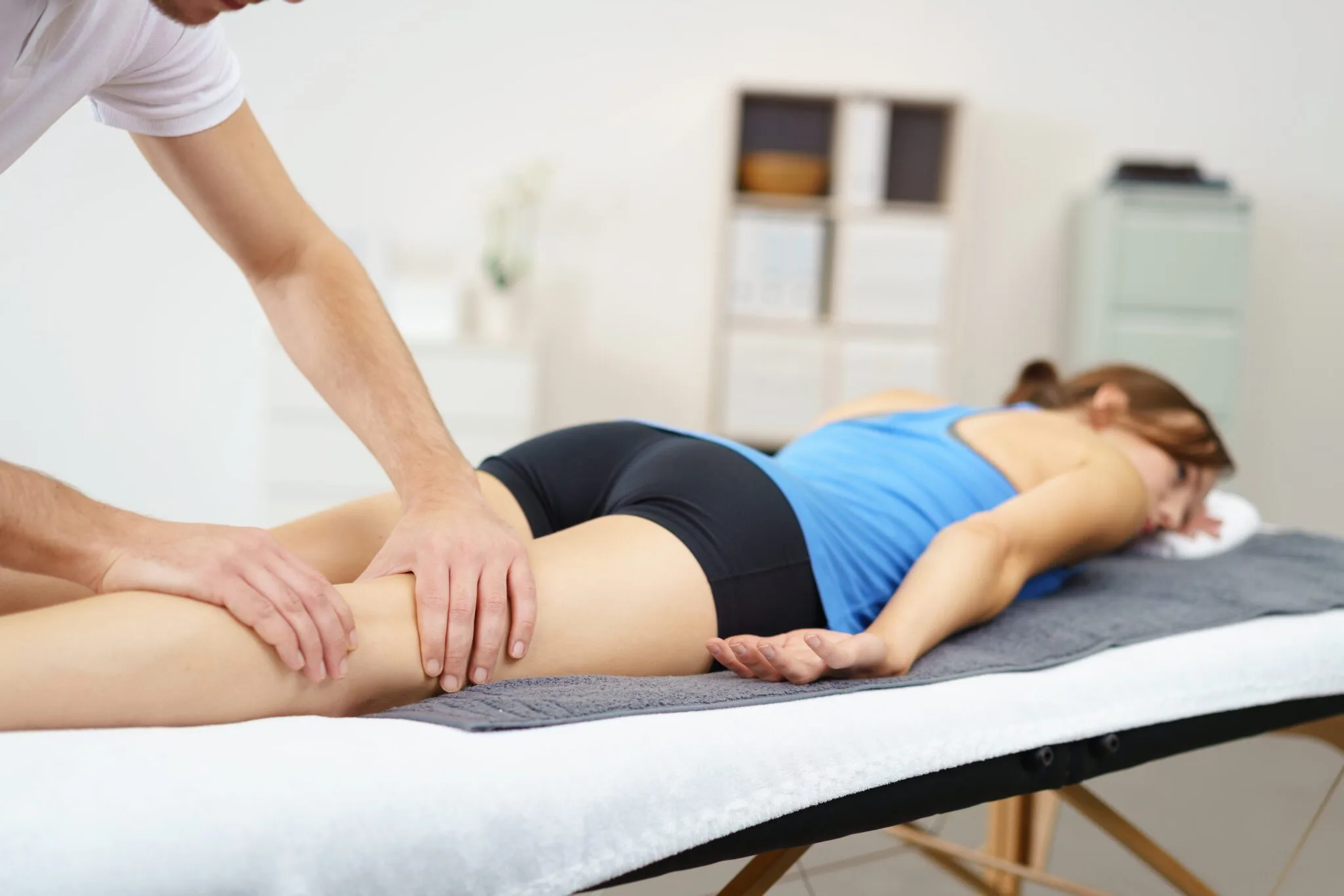
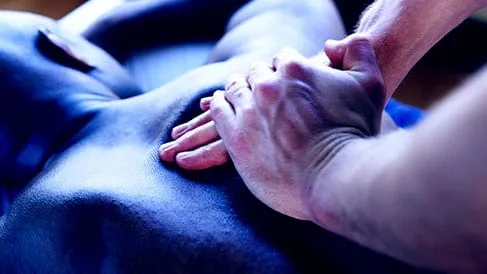
At Spine Plus our specialist massage therapists provide expert sports and remedial massage across our clinics in Chigwell, Woodford, Hornchurch and Bow. Massage therapy is one of the most effective interventions for musculoskeletal pain, and our team are trained to deliver it at a clinical standard that goes well beyond relaxation or beauty treatments.
Sports Massage
Sports massage is designed to meet the specific demands placed on the body by sport and physical activity. It is appropriate for competitive athletes and recreational exercisers alike. Regular sports massage can:
- Reduce muscle tension and prevent injuries
- Improve flexibility and functional movement
- Accelerate recovery between training sessions
- Reduce delayed onset muscle soreness
- Enhance performance through improved muscle function
- Address imbalances and compensation patterns before they cause injury
Remedial Massage
Remedial massage is a targeted clinical treatment for specific pain conditions and injuries. Your therapist will assess your posture, movement and pain patterns before applying the most appropriate techniques. Common approaches include trigger point therapy, deep tissue work, myofascial release and cross-fibre friction massage.
What Makes Our Approach Different
Unlike standalone massage clinics, our therapists work within a multidisciplinary team. Where massage alone is not sufficient, treatment can be seamlessly combined with osteopathy, physiotherapy, acupuncture or our advanced treatment technologies. This joined-up approach means faster, more lasting results for our patients.
Conditions Treated
- Lower back pain and lumbar muscle tightness
- Neck and shoulder tension
- Hamstring, quadriceps and calf strains
- Hip and glute tightness
- ITB syndrome and shin splints
- Tennis and golfer’s elbow
- Plantar fasciitis
- Scar tissue from previous surgery or injury
- Tension headaches
How Does Massage Therapy Work?
Long, sweeping strokes improve blood flow to and from the muscles and other soft tissues, improving lymphatic drainage and the removal of waste products such as lactic acid. More targeted techniques work differently: ischaemic compression (sometimes called inhibition or neuro-muscular technique) applies pressure to a muscle knot, temporarily restricting blood flow, then triggers a rush of blood to the area once released, helping flush out waste and restore oxygen-carrying blood to the muscle. Cross-fibre soft tissue massage applies a small stretch at 90 degrees to the muscle fibres to release adhesions, while friction massage targets scar tissue (fibrosis) from old injuries, breaking down disorganised collagen fibres to stimulate healing.
How Often Should You Have Massage Therapy?
Massage is usually performed once a week, twice at most. A typical course of treatment for a specific pain condition or injury takes 3 to 6 weeks, with optional follow-up single sessions every 4 to 6 weeks to maintain progress. A general "feel good" massage can be booked once or twice a week for as long as you'd like. Sports massage is often used after strenuous exercise, up to a couple of times a week, to aid recovery and reduce injury risk.
What Does Massage Therapy Feel Like?
Advanced massage techniques use firm pressure at the point of injury or dysfunction, which can temporarily accentuate symptoms for the first few seconds. Discomfort shouldn't exceed 7 out of 10 on a pain scale. If it does, ask your therapist to ease off. This should feel like "good pain" as tension releases, leaving you with a sense of ease and improved mobility by the end of the session. In the 12 to 48 hours after treatment, especially if you're not used to deep massage, some post-treatment soreness is common as part of the body's normal healing response, and usually settles within a few days.
Is Massage Therapy Safe?
Massage therapy is non-invasive and doesn't involve medication, so it doesn't carry the risks associated with surgery or medications like painkillers and muscle relaxants. It should not be used over areas of varicose veins or deep vein thrombosis (due to the risk of embolism), undiagnosed lumps or bumps, bruising, cuts, abrasions, sunburn, skin disease, or when you're unwell (including with a cold or flu).
Why Choose Us for Massage Therapy?
All our massage therapists have qualified from respected institutions such as The London School of Sports Massage, and every therapist passes our own rigorous in-house recruitment process before joining, with ongoing training to keep their skills sharp. We use a full range of techniques, from gentle stroking and kneading with oil to promote blood flow, through to advanced, deeper clinical work such as cross-fibre and trigger point release. Our massage therapists work as part of a wider clinical team alongside our physiotherapists and osteopaths, who are on hand to assist when a case needs a joined-up approach.
Book Now