




Spine Plus Blog
Tension Headaches and Cranial Osteopathy
Published: 24 July 2015
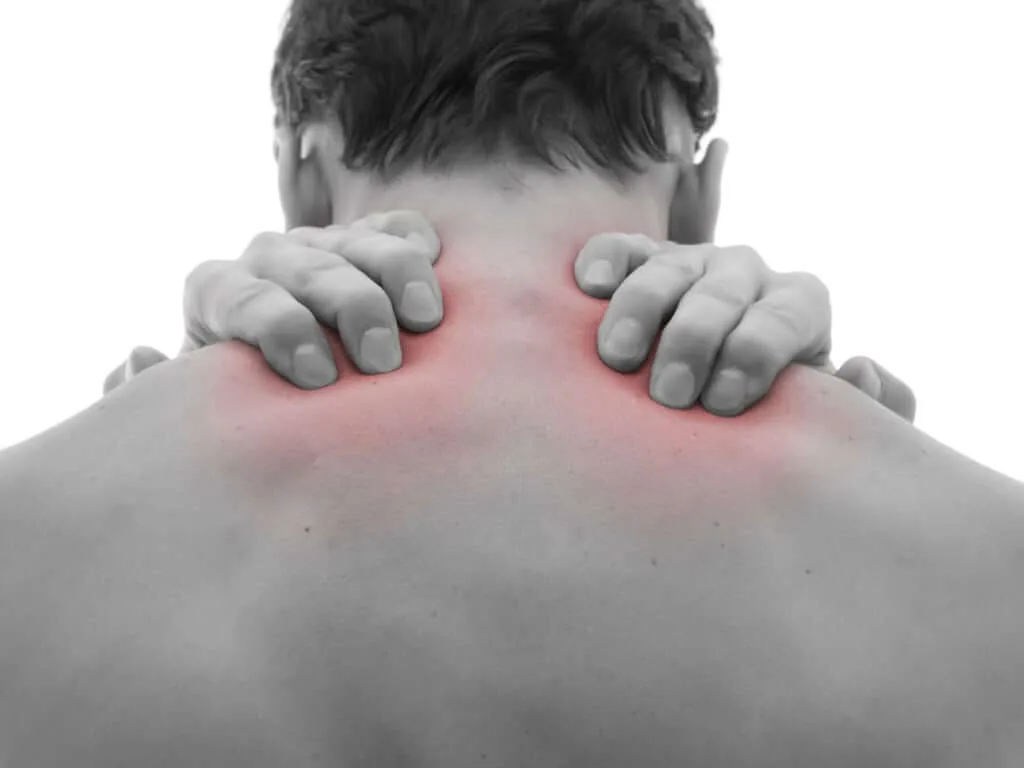
Many patients search specifically for a "cranial osteopath" when they have tension headaches or head problems. There's a widespread misunderstanding about what cranial osteopathy actually is and what it can do.
What Cranial Osteopathy Actually Is
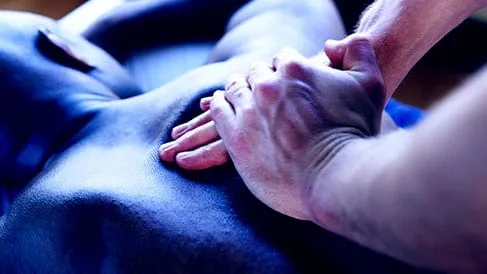
Cranial osteopathy isn't a specialty for head problems. The term refers to cranio-sacral therapy, a specific technique taught to most osteopaths involving very gentle hand holds over the head to influence bone movement and membrane rhythms. All osteopaths are trained to treat headaches and head-related problems regardless of whether they use cranial techniques specifically.
Where the Confusion Comes From
Cranial osteopathy was introduced to the UK from America in the early 20th century and has evolved largely outside mainstream UK medicine ever since. Most doctors don't train alongside osteopaths at medical school or in hospitals the way they do with physiotherapists, which is part of why "cranial osteopath" gets misread as a head-problem specialism by patients and clinicians alike.
Effectiveness for Tension Headaches
While cranial osteopathy can feel relaxing, patients relying exclusively on this method may be missing out on more effective forms of manual therapy. Tension headaches originate from specific trigger points in the neck, shoulder, and scalp muscles. These require direct, targeted treatment to resolve.
Cranial technique itself can feel genuinely relaxing, in a similar way to reflexology, and can be a good fit for some patients, particularly the very young. The issue is relying on it exclusively for tension headaches: patients treated only with cranial technique can miss more effective manual therapy that addresses the actual source of the pain, such as referred pain from the neck joints or trigger points in the neck and shoulder muscles.
The most effective approach for tension and cervicogenic headaches combines:
- Trigger point therapy targeting the specific muscles driving the headache
- Neck joint mobilisation to address facet joint stiffness
- Medical acupuncture (dry needling) for deep muscle bands that massage can't reach
- Postural advice and exercises to address the underlying cause
What to Expect
Osteopathy is regulated in the UK. Practitioners take full medical histories and use only safe, appropriate techniques with patient consent. Treatment for tension headaches typically shows improvement within 3 to 6 sessions.
Some neurologists specifically refer benign-headache patients toward cranial technique because it's very gentle. It avoids the forceful neck manipulation or clicking that, in a small number of vulnerable patients, could carry a risk to the blood vessels in the upper neck. Osteopaths also have other gentle options beyond cranial technique, including massage, stretching and articulation, plus home exercise advice.
Call us on 020 8506 1000 to discuss headache assessment and treatment.