
















Spine Plus Blog
The Truth About Frozen Shoulders
Published: 4 January 2020

Many patients receive a frozen shoulder diagnosis from their GP for any severe arm or shoulder pain. This is often a catch-all term, and misuse of the diagnosis means some patients miss out on the right treatment for their actual condition.
Proper Diagnosis
Before considering any form of treatment, it's important to confirm the diagnosis first: the term is often used as a catch-all for shoulder pain, but true frozen shoulder has specific defining features.
True frozen shoulder (adhesive capsulitis) has four defining characteristics:
- Age: typically occurs around age 50, though trauma can cause earlier onset
- Loss of movement: progressive restriction, especially putting the hand behind the back
- Pain: severe, often disrupting sleep
- Imaging: ultrasound or X-ray to exclude rotator cuff tears and calcification
Without proper assessment, a rotator cuff tear or calcific tendinitis may be missed, both of which require different treatment approaches.
What Happens in Frozen Shoulder
Frozen shoulder results from inflammation of the shoulder capsule, the tissue surrounding the joint. As inflammation develops, the capsule thickens and contracts. The good news is that exercising a frozen shoulder does not cause damage to rotator cuff tendons or the joint, though movement may be painful.
The Three Phases
- Phase 1: Freezing (first 12 weeks): the most painful phase, with progressive stiffening
- Phase 2: Frozen (3 to 9 months): stiff but less painful
- Phase 3: Thawing (3 to 6 months): gradual movement improvement
Treatment
Phase 1: Ultrasound-guided corticosteroid injections provide the most effective relief, with over 80% of people experiencing significant pain reduction within a week. This is best combined with manual therapy to prevent capsule tightening during the injection's effectiveness window. It's essential the injection is delivered accurately inside the shoulder joint, which requires ultrasound guidance for full accuracy: many people have had an unguided corticosteroid injection that hasn't worked simply because the medication never reached the joint. One accurately-placed injection is often enough to settle symptoms enough to begin physiotherapy.
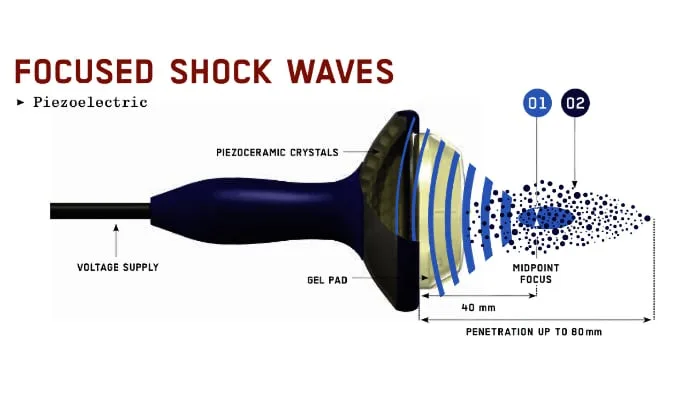
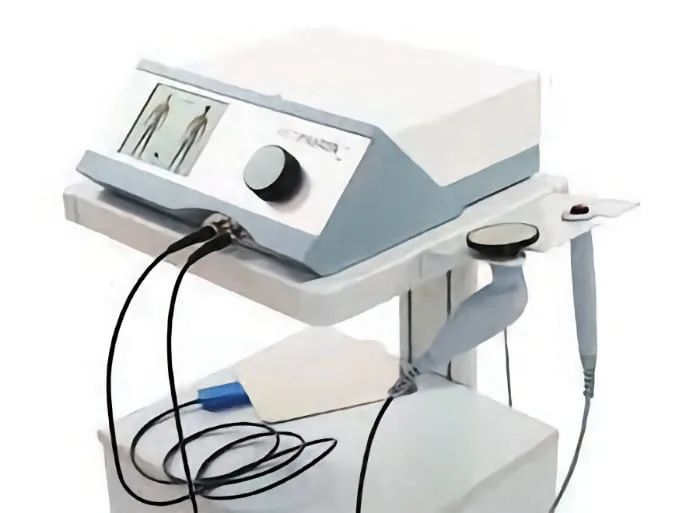
Phase 2: Physiotherapy stretching needs to be performed daily for 8-12 weeks to be effective. If movement remains stubborn, deep tissue massage and manual therapy can help, and shockwave therapy, which uses sound waves to reduce pain and stiffness in the shoulder capsule, is also very effective at this stage.
Phase 3: As movement improves, everyday tasks like washing your hair or putting on a shirt become easier, and reaching this stage means you're on the home straight to full recovery. Patience matters here: it can take up to 18 months from the start of symptoms for the shoulder to return to 100%, so it's important to continue the home exercises given by your therapist until it feels completely back to normal.
Frozen shoulder can significantly affect daily life due to the pain and sleep disturbance it causes. Patients who seek treatment early tend to have a shorter, less painful road to recovery.
Call us on 020 8506 1000 to discuss shoulder assessment and treatment.
Written by Jonny Wride, Extended Scope Physiotherapist and Sonographer, Spine Plus Woodford.