















Spine Plus Blog
Whiplash Information
Published: 19 February 2015
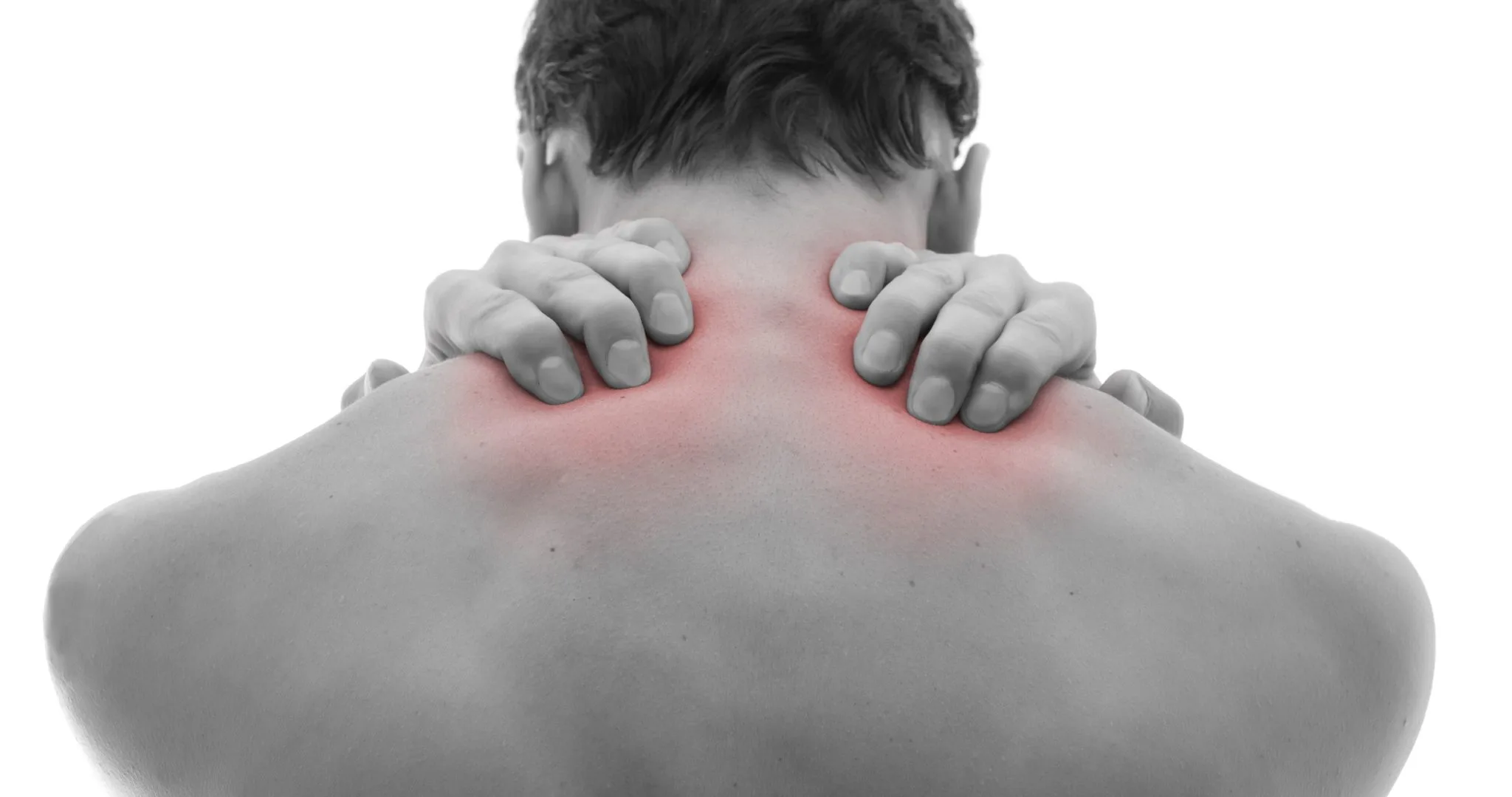
Whiplash typically results from car accidents causing sudden head movement in any direction. The abnormal forces involved can damage soft tissues including neck muscles and ligaments, or more seriously affect discs, vertebrae, blood vessels, nerves, and the spinal cord. The absence of visible bruising does not mean the injury is minor.
Symptoms Requiring Medical Attention
Seek prompt medical evaluation if you experience:
- Numbness, tingling, or pain in the limbs or extremities
- Persistent headaches
- Vision changes or disturbance
- Dizziness
These may indicate more significant neural or vascular involvement and should be assessed urgently.
Timeline and Injury Indicators
Immediate neck or shoulder discomfort suggests muscle strain or micro-tearing. Pain and stiffness appearing the day after injury more likely indicates ligament damage, disc injury, or bone bruising. Symptoms sometimes peak over one to two weeks as scar tissue forms. If symptoms persist beyond 4 to 6 weeks, excessive scar tissue formation may require professional rehabilitation to resolve.
Self-Management in the First Days
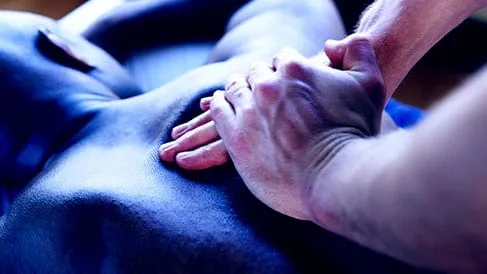
During the initial days: rest and remain as comfortable as possible without trying to stretch, to prevent further damage to acutely injured tissue. After one to two weeks, heat and gentle stretching (held for 10 seconds or more) can aid healing. After 3 to 4 weeks, appropriate massage using slow, firm strokes can address residual tension.
Self-Acupressure for Persistent Tension
If tension persists after 3 to 4 weeks, particularly muscular tension at the top of the shoulders radiating into the neck and head, be cautious about massage from someone inexperienced with whiplash. Gentle massage often isn't deep enough to soften scar tissue, while vigorous or fast-paced massage can aggravate the nerve endings and make the muscle tighter or trigger spasm. Slow, firm, short massage strokes held for around 10 seconds usually work best.
You can also try self-acupressure, either yourself or with a partner. Place your hand on the opposite shoulder around the trapezius muscle at the top of the shoulder blade, and feel for tight knots or bands of muscle that increase or reduce pressure in the head or neck as you press them. When you find one of these trigger spots, apply firm, sustained pressure for 90 to 180 seconds, keeping the pressure static rather than using a massage movement. A partner can apply the pressure with their elbow, or you can use the crooked handle of an old-fashioned walking stick, or a tool designed for the purpose.
This can feel sore at the time, and may seem to aggravate symptoms referred to the head and neck as the pressure is applied. It's important to sustain the pressure through this. After around 60 seconds the pressure usually starts to feel as though it's easing; once it stops easing, or after 3 minutes, release it slowly. The area is likely to feel tender and bruised the next day, which can last a few days, but once that settles you should notice some relief in symptoms. Repeat once any bruising from the previous session has recovered, usually once or twice a week.
When to See a Professional
Consult a healthcare provider within the first two weeks, or if symptoms extend beyond six weeks. Prolonged delays increase the risk of symptoms becoming chronic. Our osteopaths can assess the injury, identify which structures are involved, and provide targeted treatment.
Call us on 020 8506 1000 to book a whiplash assessment.